
AI Coding Is Not a Software Upgrade. It Is a New Industrial Layer.
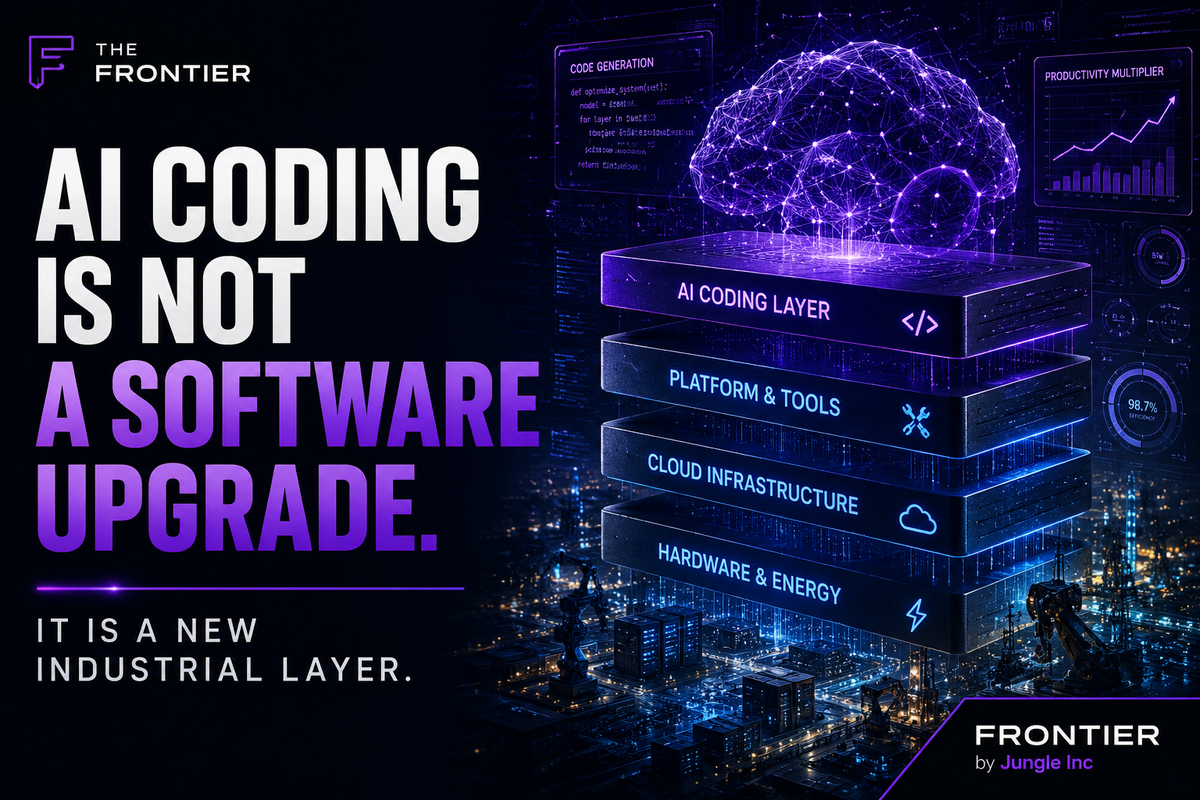
The software industry is undergoing a structural transition on the scale of cloud computing or the internet itself. AI coding systems have evolved far beyond simple autocomplete tools. They are becoming autonomous production infrastructure for the entire digital economy.
This week crystallized that reality in ways the previous year only hinted at.
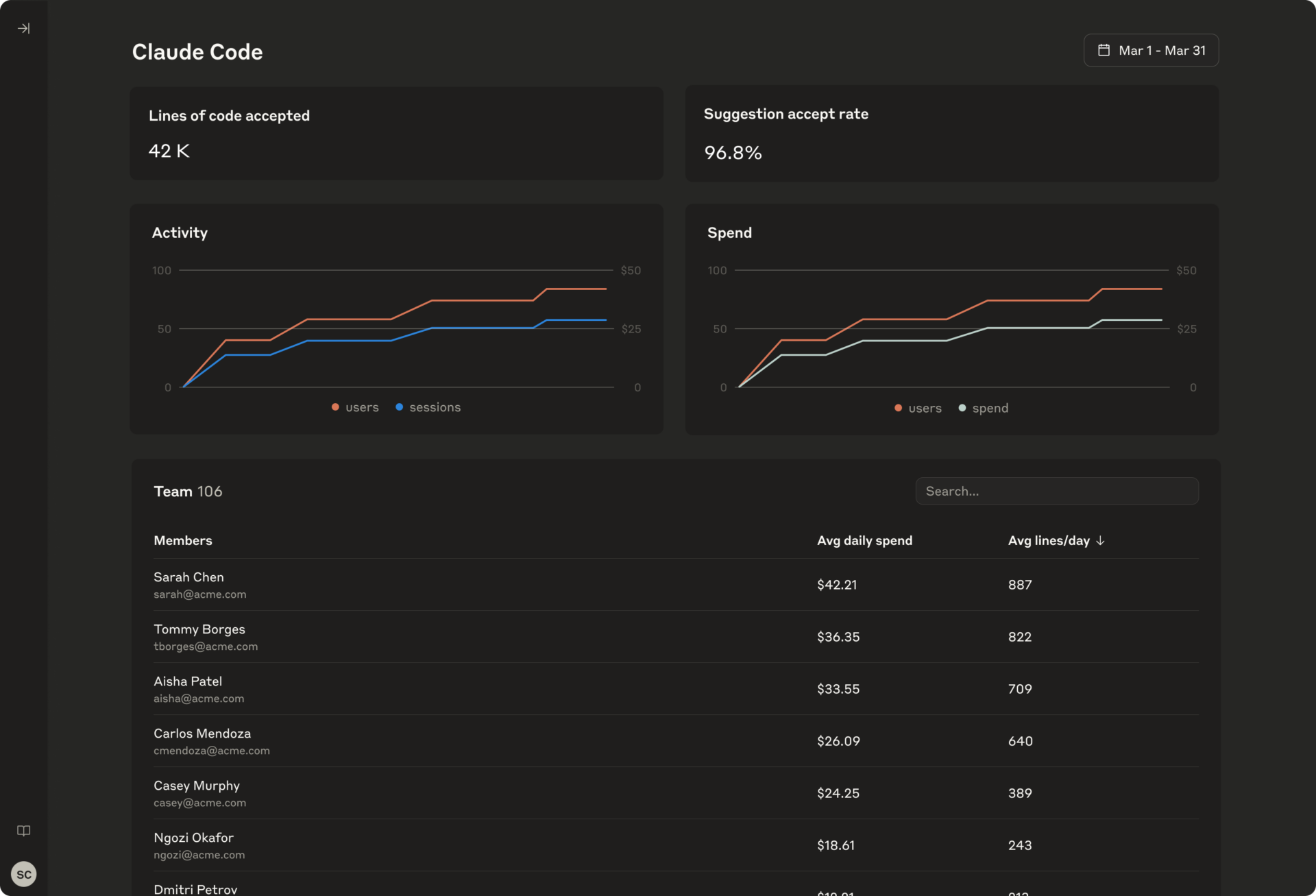
On May 11, Anthropic released Claude Code v2.1.139 at its “Code w/ Claude” event. It introduced an agent view dashboard and the powerful /goal command, enabling the system to work autonomously across turns until a verifiable completion condition is met. An independent supervisor session then audits the final state before notifying the user.
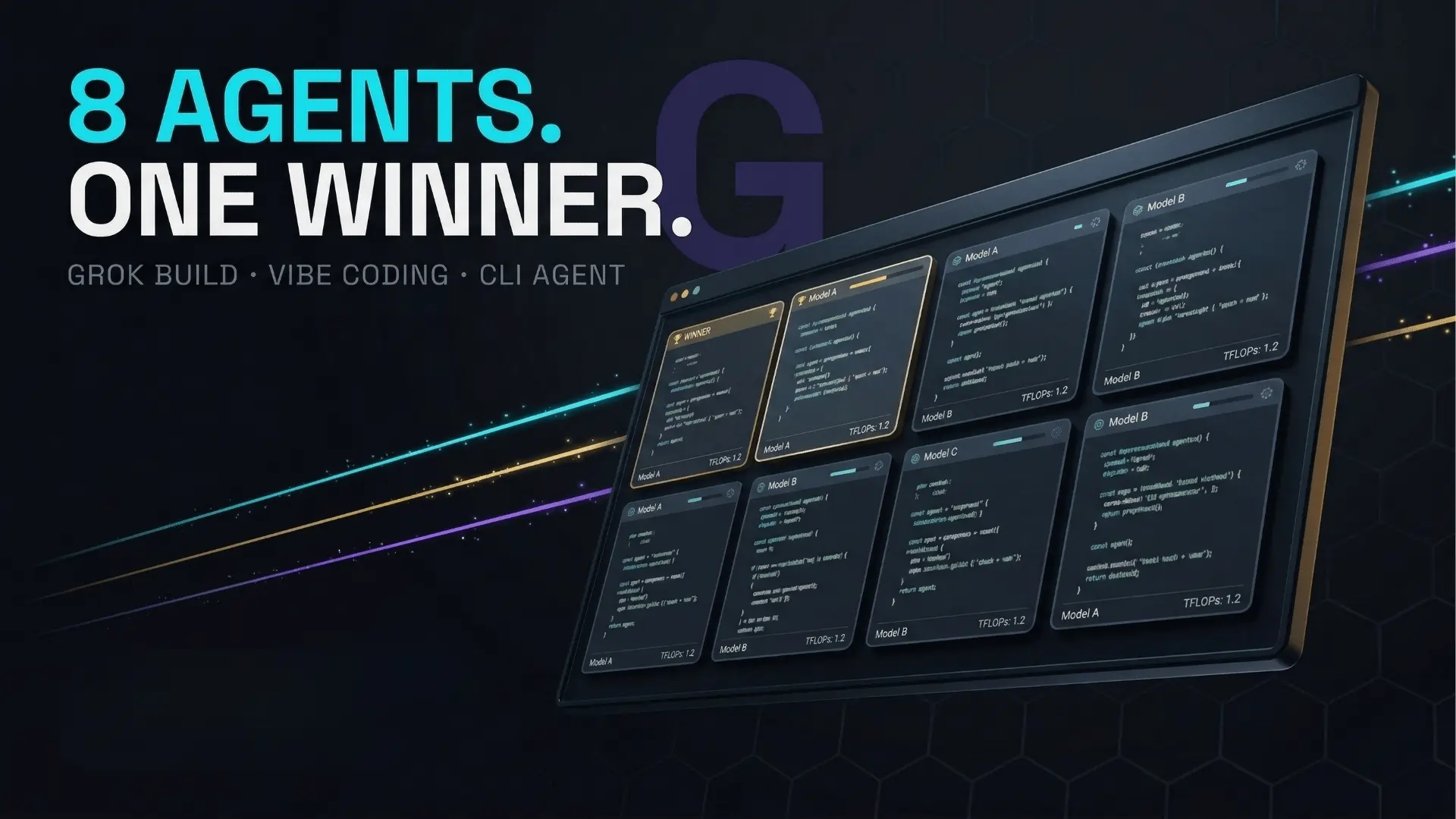
On May 14, xAI launched Grok Build: an agentic CLI that spawns up to eight concurrent coding agents inside a 2-million-token context window. It offers full ACP support and native compatibility with Anthropic’s AGENTS.md and MCP standards.
Meanwhile, OpenAI’s Codex now runs natively on Windows, powers a Chrome extension across browser tabs, and includes a new GPT-5.3-Codex-Spark research preview optimized for low-latency daily work.
Three major vendors. One week. The same core bet: Software creation is no longer a chat interface for engineers. It is an orchestration layer for autonomous digital labor.
The Shift: From Copilot to Autonomous Worker
AI coding adoption has been one of the fastest enterprise software transitions in history. By early 2026, roughly 90% of professional developers use at least one AI coding assistant. GitHub Copilot alone has ~4.7 million paid users, with Fortune 500 adoption accelerating rapidly.
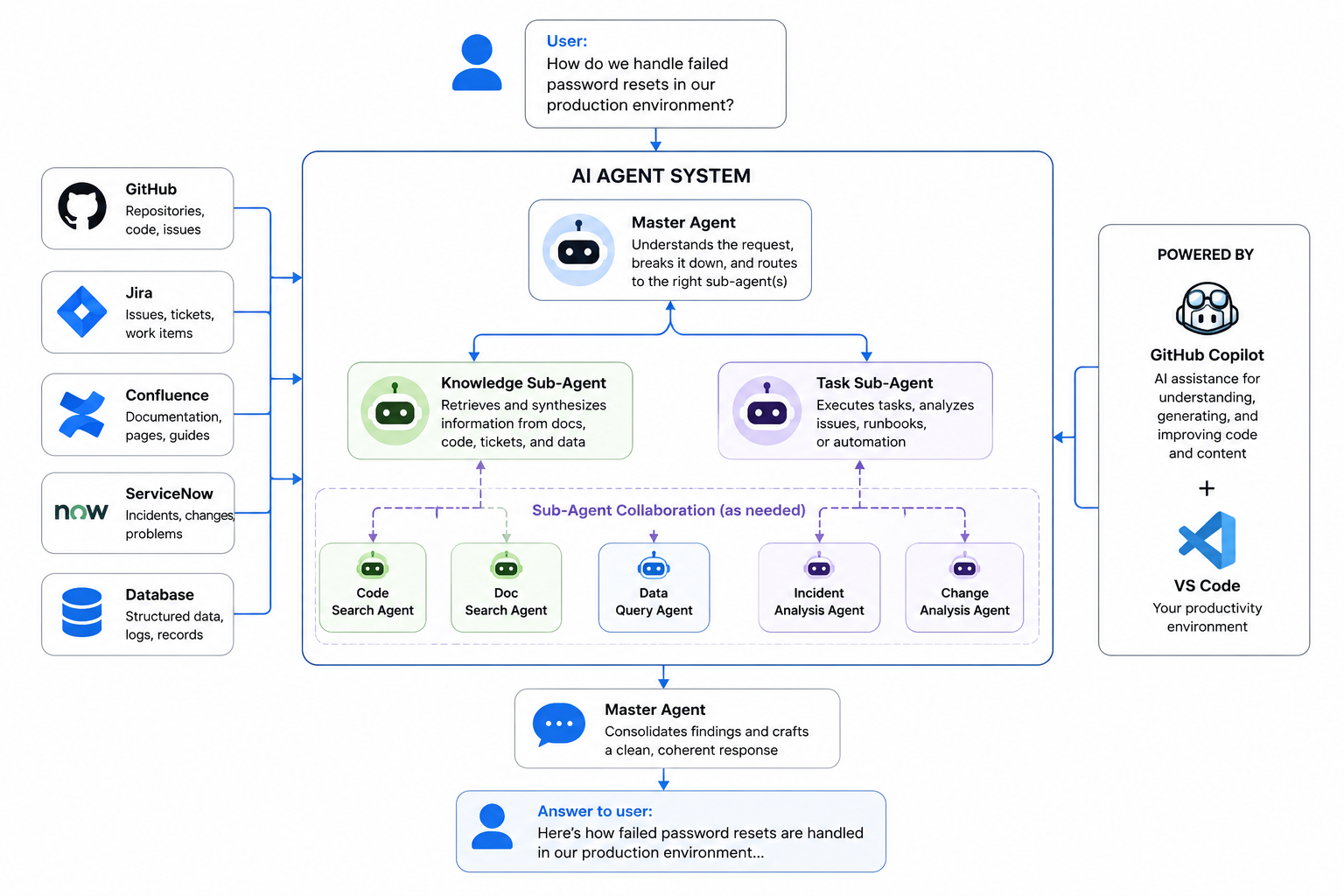
The real leap isn’t autocomplete: it’s autonomy.
Next-generation tools act like junior engineering agents: they plan tasks, refactor entire repositories, run tests, deploy code, fix bugs, generate pull requests, and manage multi-file projects. Claude’s /goal command, for example, handles substantial work with verifiable end states (e.g., “migrate until every call site compiles” or “clear the backlog”). A second independent session reviews the outcome. Grok Build delegates to specialized sub-agents in parallel git worktrees and supports headless scripting.
The architecture is shifting from:
- Human writes software manually to
- Human supervises autonomous software systems
This changes labor dynamics, capital allocation, and the fundamental economics of software.
The Real Constraint Is No Longer Engineers
Skilled engineering labor was once the dominant bottleneck. AI coding weakens that constraint dramatically. Natural-language interfaces and autonomous agents let small teams (or even non-technical operators) build what once required large engineering organizations.
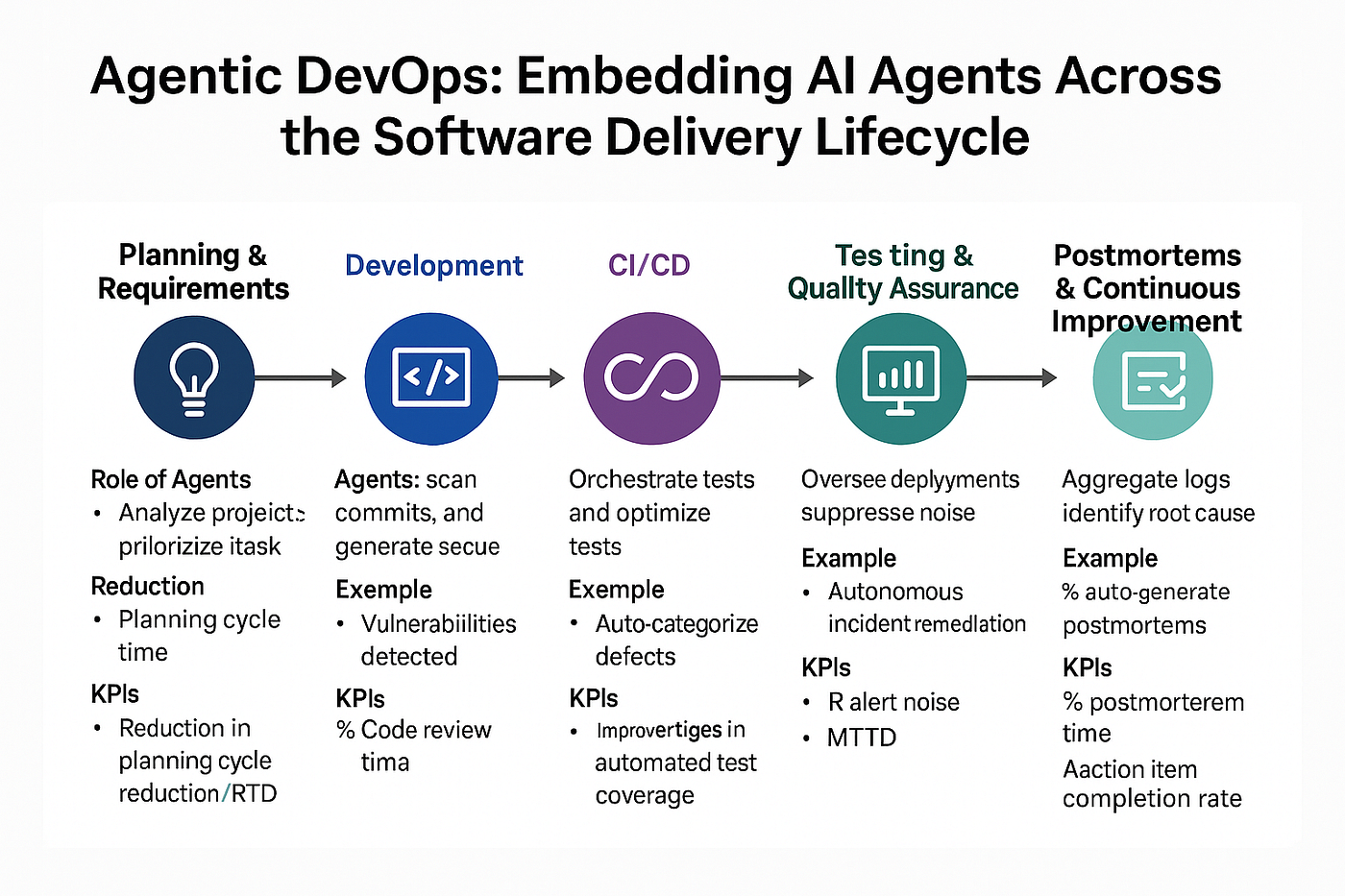
Anthropic reported 17x year-over-year API volume growth. OpenAI cites over 3 million weekly Codex developers. Developers aren’t being replaced, they’re being scaled. Lower production costs historically expand demand, not shrink it. Just as spreadsheets transformed finance and cloud computing birthed SaaS, AI coding is poised to explode software creation itself.
Economic Impact: An Infrastructure Supercycle
Every advance in AI software generation multiplies demand for compute. Agents require massive inference, long-context memory, testing environments, and GPU capacity. Grok Build’s 2M-token windows, Claude’s persistent goal loops, and Codex’s scheduled automations all drive exponential token consumption.
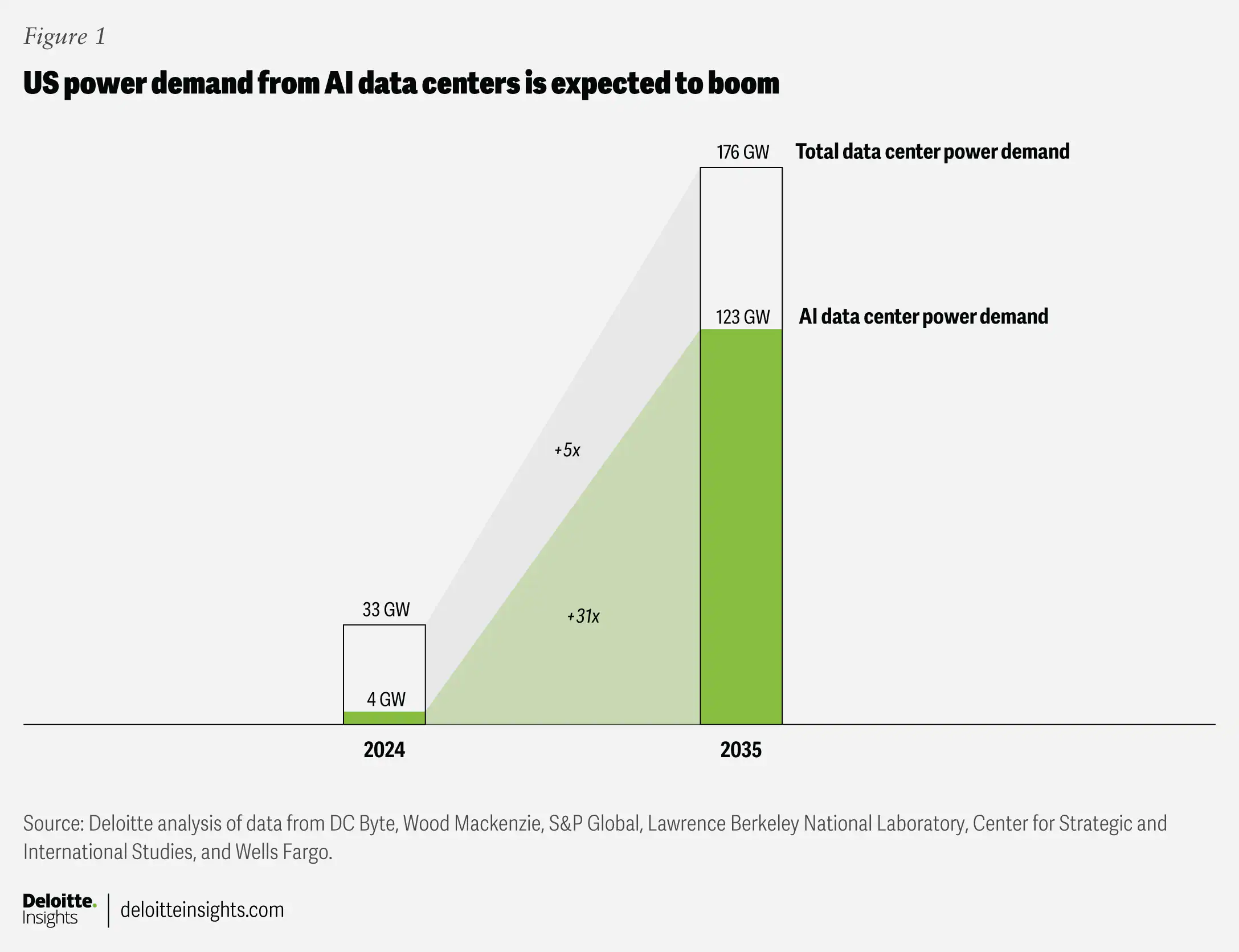
ARK Invest projects global AI infrastructure spending rising from ~$500B in 2025 to nearly $1.5T annually by 2030. Accelerated compute already dominates server sales; NVIDIA’s revenue surged from $27B in 2022 to $216B in 2025.
Energy: The Hidden Chokepoint
AI coding is increasingly an energy story. Continuous agent sessions, parallel sub-agents, and always-on deployments collide with power generation limits. The U.S. has underutilized natural gas capacity and massive potential in battery storage and grid modernization.
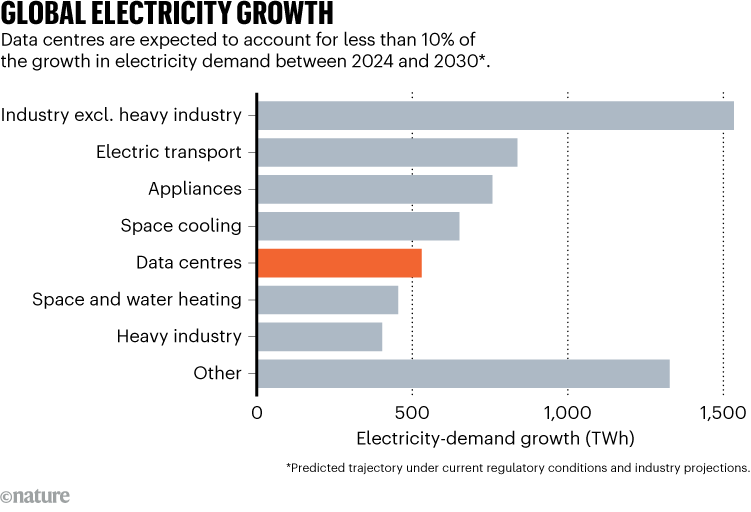
The chain is clear: More AI agents → More inference → More data centers → Higher electricity demand → Storage + grid upgrades. Even competitors like xAI and Anthropic cooperate on infrastructure because the physical buildout exceeds any single company.
Why Custom Silicon Matters
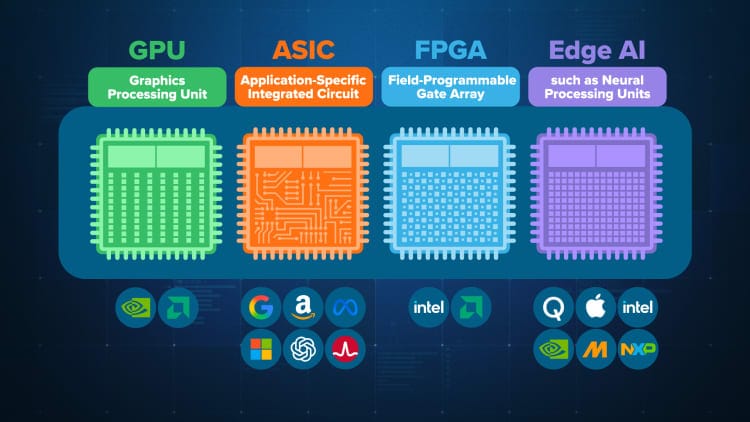
Hyperscalers are reducing NVIDIA dependence through custom chips: Google TPUs, Amazon Trainium, Microsoft Maia, and more. OpenAI’s Codex-Spark model is optimized for specialized low-latency hardware. ARK estimates custom AI ASICs could claim over one-third of the compute market by 2030.
nvestment Implications: Where Capital Flows
- Foundation Model Providers (OpenAI, Anthropic, Google, Meta, xAI) — They act as operating systems for AI-native creation, owning data, ecosystems, and developer workflows.
- Cloud & Compute Infrastructure (NVIDIA, Microsoft, Amazon, Broadcom, TSMC) Direct beneficiaries of exploding demand.
- Developer Platforms (GitHub, VS Code, etc.) Control distribution and workflow lock-in.
- Energy Infrastructure: Grid modernization, batteries, natural gas, nuclear: potentially the surprise winner of the AI era.
Who Could Lose: Commodity SaaS, generic low-code tools, simple offshore work, and weakly moated enterprise software face pricing pressure. Moats shift to proprietary data, distribution, infrastructure ownership, and ecosystems.
Timeline
Near Term (1–3 Years): Copilots become universal; agentic tools accelerate; infrastructure CAPEX surges; GPU/energy constraints linger.
Mid Term (3–7 Years): Autonomous agents handle major workloads; small teams punch above their weight; custom silicon and energy storage expand.
Long Term (10+ Years): Software creation turns partially autonomous; AI agents manage digital infrastructure; the line between software companies and AI infrastructure companies blurs.
Closing Insight
The biggest misconception is that AI coding is primarily about replacing programmers. The deeper truth is more powerful: It collapses the cost of creating software itself. When production costs plummet, humanity doesn’t consume less, it consumes exponentially more.
This week’s launches weren’t isolated features. They were infrastructure for a world of effectively unlimited software creation. The true winners will power the compute, energy, and industrial backbone enabling that explosion.