
Longevity Is Becoming an Investment Megatrend
Why the Next Great Healthcare Market May Be Built Around Aging Itself
For most of modern medicine, aging has been treated as inevitable. Doctors addressed the diseases that emerged with age, heart disease, cancer, diabetes, dementia, frailty, arthritis, and immune decline: under the assumption that aging itself was untouchable.
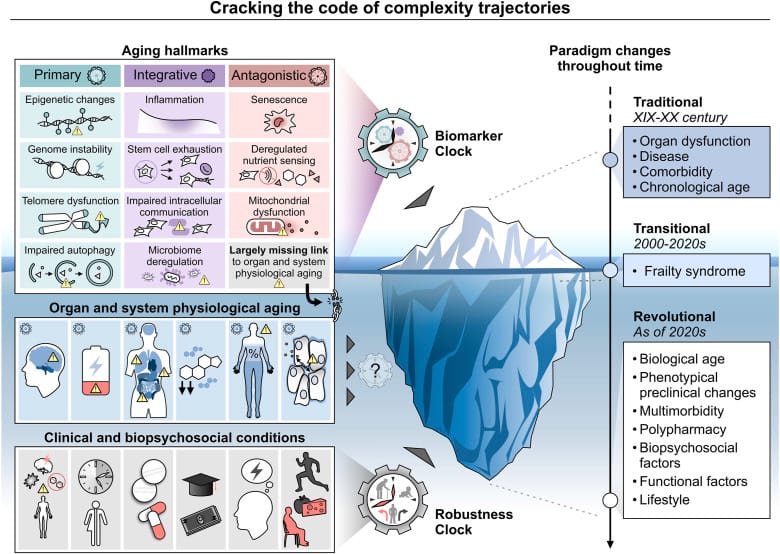
That assumption is shifting. Longevity science is not about immortality or erasing aging. The serious, investable version studies aging as a measurable biological process with identifiable mechanisms, some already influenceable, others potentially slowable or repairable. Aging is the master risk factor linking the world’s largest disease markets. Moving capital upstream, from treating late-stage disease to delaying the biological breakdown that drives it, positions longevity as one of healthcare’s defining investment themes for decades.
The Real Thesis: Healthspan Before Lifespan
The investable market today centers on healthspan, extending years of functional, productive, disease-resistant life, rather than radical lifespan extension. This convergence theme spans metabolic medicine, diagnostics, AI drug discovery, continuous monitoring, preventive care, and regenerative biology.
First wave (practical and commercializing now): GLP-1 drugs, cardiovascular risk reduction, early cancer detection, blood-based Alzheimer’s diagnostics, continuous glucose monitoring, muscle preservation, and preventive platforms.

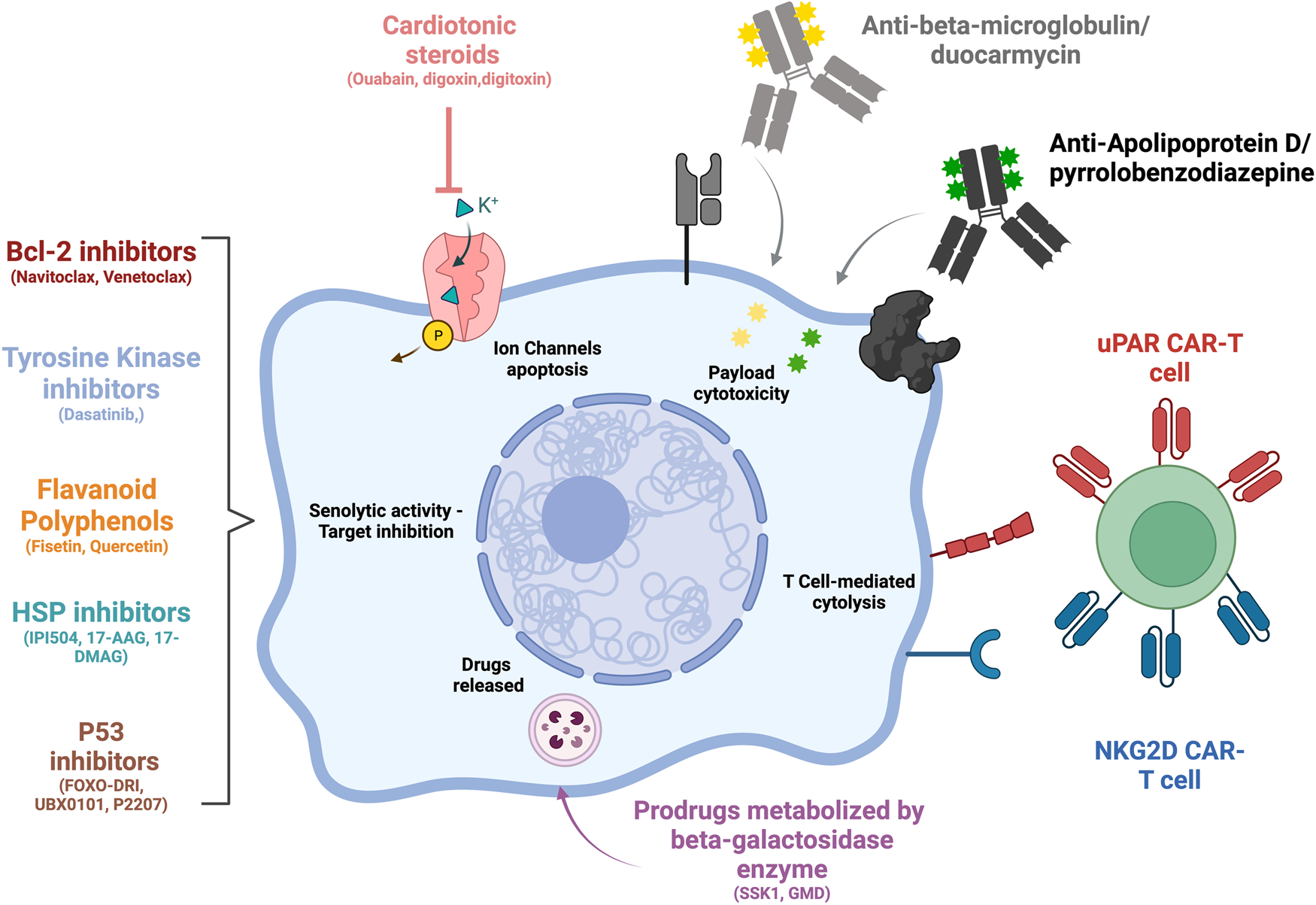
Second wave (ambitious but advancing): Senolytics, immune rejuvenation, selective mTOR modulators, stem-cell and cell-replacement therapies, and organ regeneration.
Third wave (frontier): Partial epigenetic reprogramming, in vivo cellular rejuvenation, and whole-organ repair. In January 2026, Life Biosciences received FDA clearance for ER-100, a partial epigenetic reprogramming therapy entering human trials—a key regulatory milestone separating science fiction from frontier biotechnology.

What the Biology Actually Tells Us
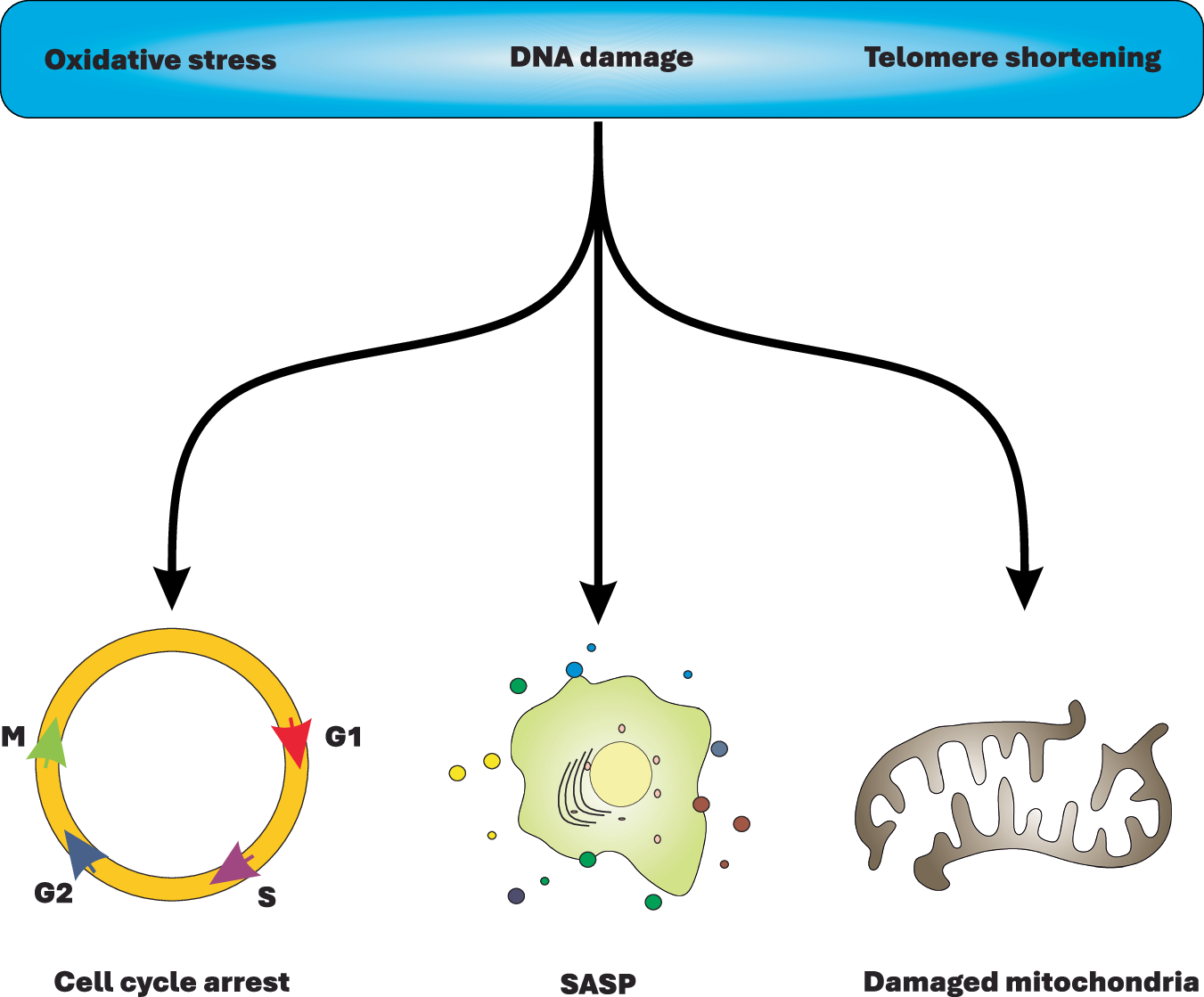
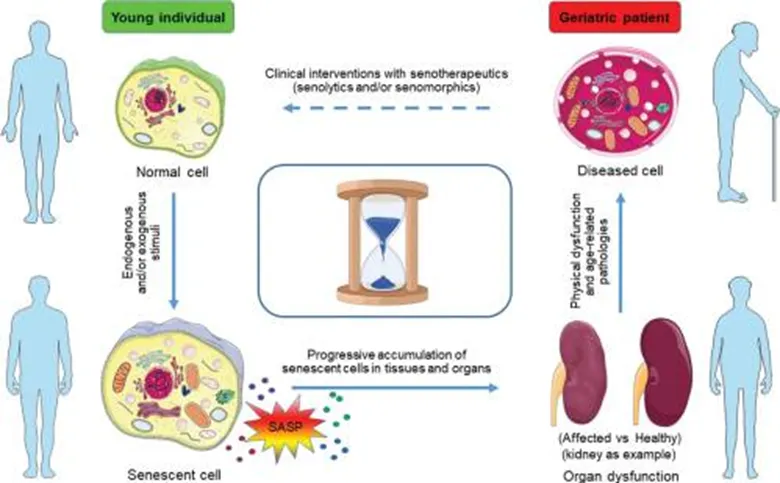
Aging is a systems-level loss of resilience: accumulating DNA damage, declining protein maintenance, inefficient mitochondria, rising inflammation, stem-cell exhaustion, senescent cell buildup, immune weakening, and unstable metabolism.
Investors should separate commercially actionable mechanisms today from long-duration bets:
- Metabolic dysfunction → The clearest near-term driver. GLP-1 drugs attack this at scale, improving glucose control, reducing fat mass, and addressing linked conditions like cardiovascular disease, fatty liver, and frailty.

- Deregulated nutrient sensing (insulin/AMPK/mTOR pathways).
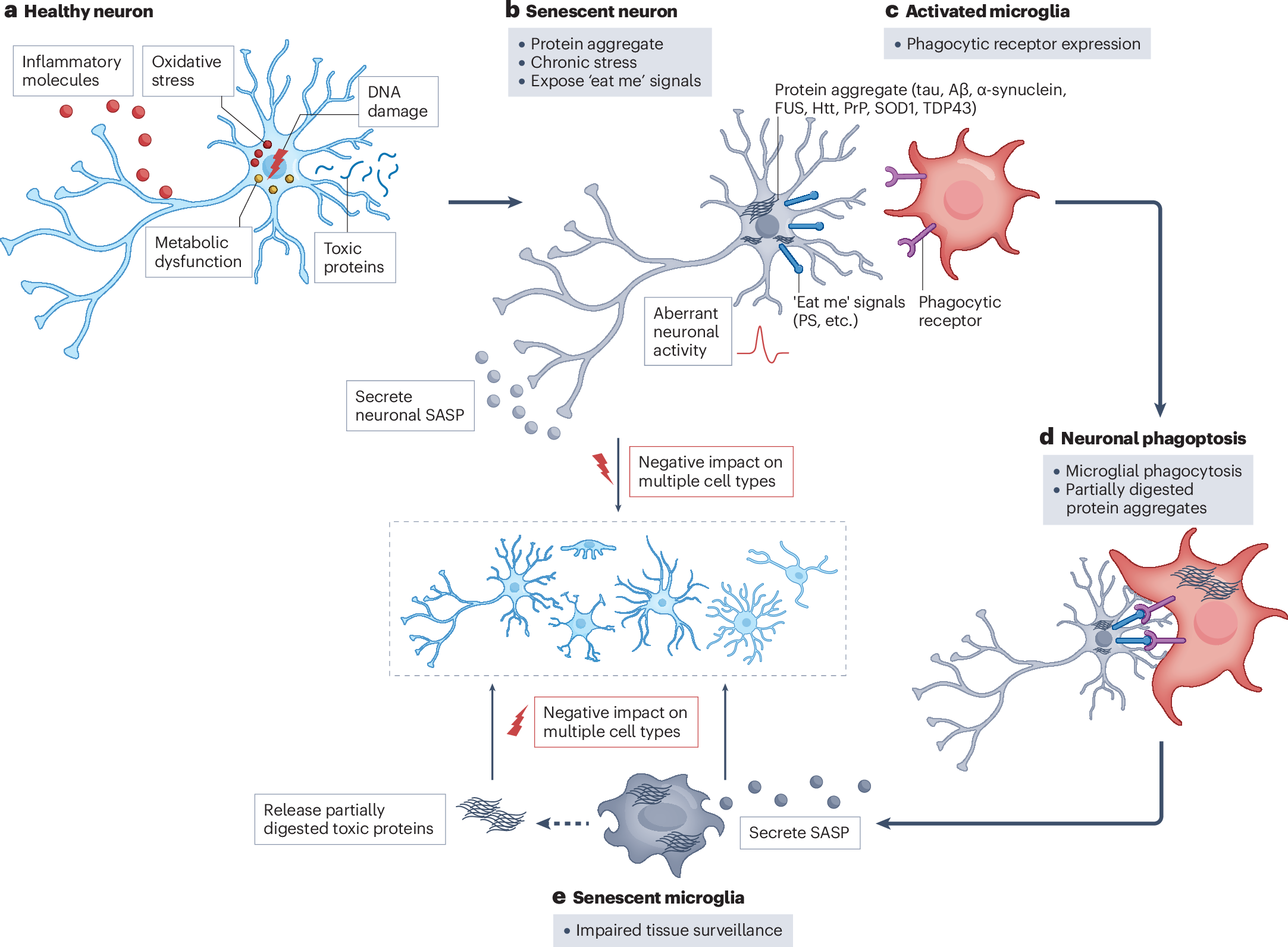
- Chronic “inflammaging” → Via pathways like NLRP3.
- Cellular senescence → Senescent cells secrete inflammatory signals; clearing them shows promise in animals and early human work.
Epigenetic alteration → The most exciting long-term mechanism. Partial reprogramming aims to reset gene expression without oncogenic risk.
The “boring alpha” lies in metabolic health, muscle preservation, diagnostics, and early detection. The “exciting alpha” is in reprogramming, senolytics, and regeneration. Top investors price both layers appropriately.
The First Big Market: Metabolic Longevity
GLP-1 drugs have evolved from diabetes/obesity treatments into broad cardiometabolic platforms. Obesity accelerates nearly every age-related disease; effective weight management at population scale becomes a powerful healthspan tool.
The next phase focuses on better weight loss: muscle preservation (critical for mobility, independence, and resilience in older adults), improved body composition, fewer side effects, and combination therapies. This creates opportunities in myostatin inhibitors and related muscle-preserving agents.
Diagnostics: The Measurement Layer
Longevity scales with better measurement. Strongest opportunities tie to clinical decisions: blood-based cancer screening, Alzheimer’s diagnostics, liquid biopsies, multi-omic profiling, inflammatory markers, and continuous monitoring, not vague consumer “biological age” scores alone.
AI Could Become the Engine Room
Aging’s complexity, multi-system pathways, vast data, patient variability, makes it ideal for AI in target identification, molecule design, patient stratification, trial optimization, and pattern discovery. Platforms like Insilico Medicine demonstrate AI-designed candidates reaching clinical stages. AI acts first as infrastructure accelerating the entire discovery cycle.

Public Market Exposure
Credible exposure includes:
- Large-cap metabolic: Eli Lilly, Novo Nordisk.
- Monitoring: Abbott, DexCom.
- Muscle preservation: Amgen, Regeneron, Scholar Rock.
- Early detection: Guardant Health, Natera.
- AI discovery: Recursion.
- Regenerative: United Therapeutics, Lineage Cell Therapeutics.
- Speculative pure-plays: BioAge Labs, UNITY Biotechnology (higher risk).
Pure-play frontier work remains mostly private.
The Private Frontier
Key names include Life Biosciences (ER-100), Altos Labs (cellular rejuvenation), NewLimit (epigenetic reprogramming), Retro Biosciences, Cambrian Bio, Calico, and Function Health (preventive data platform). Spectrum ranges from cash-pay prevention to moonshot reprogramming—different risk buckets.

The Bryan Johnson Signal
Blueprint demonstrates real demand for quantified, data-driven health optimization, sleep, training, nutrition, biomarkers, and dashboards, turning longevity principles into a visible operating system. Serious investors focus on evidence-based, scalable, clinician-supervised platforms built from this cultural momentum.
Risk Management and Scenarios (2026–2045)
Conservative: Sophisticated preventive medicine (GLP-1s, diagnostics, monitoring).
Base case (most likely): Meaningful healthspan gains via AI, biomarkers, metabolic drugs, and targeted regeneration.
Breakthrough: Measurable tissue rejuvenation via reprogramming or senolytics—redefining medicine.
Deploy capital first into forming markets, size frontier bets appropriately and filter rigorously: credible mechanism + disease-linked endpoints + regulatory path + probabilistic language.
Final Investment Framework
Investable now: Metabolic/GLP-1 ecosystems, muscle preservation, early detection, diagnostics, continuous monitoring, AI infrastructure, evidence-based prevention.
Watch closely: Senolytics, mTOR, inflammation programs, organ-specific regeneration.
Too early but enormous: Systemic reprogramming and whole-body concepts.
Avoid/overhyped: Unproven consumer clocks, supplement stacks, unregulated clinics, narrative-driven claims without evidence.
Bottom Line
Longevity is about making aging measurable, actionable, and modifiable. The first wave delivers healthspan through prevention and function preservation. The second brings biological repair. The third, if realized, could transform medicine.
Disciplined investors buy the biology, not the fantasy: separating mechanism from marketing and near-term cash flows from long-duration optionality. This may become one of the great healthcare megatrends of the 21st century.
This report is produced by Jungle Inc for informational purposes only and does not constitute investment advice, a solicitation, or a recommendation to buy or sell any security. All content is based on publicly available information and the author's independent analysis. Investing involves risk, including the possible loss of principal. Past performance does not guarantee future results. Nothing herein should be construed as legal, tax, or financial advice. Readers should conduct their own due diligence and consult qualified advisors before making investment decisions.