
The First Trillion-Dollar Industry Off-Planet
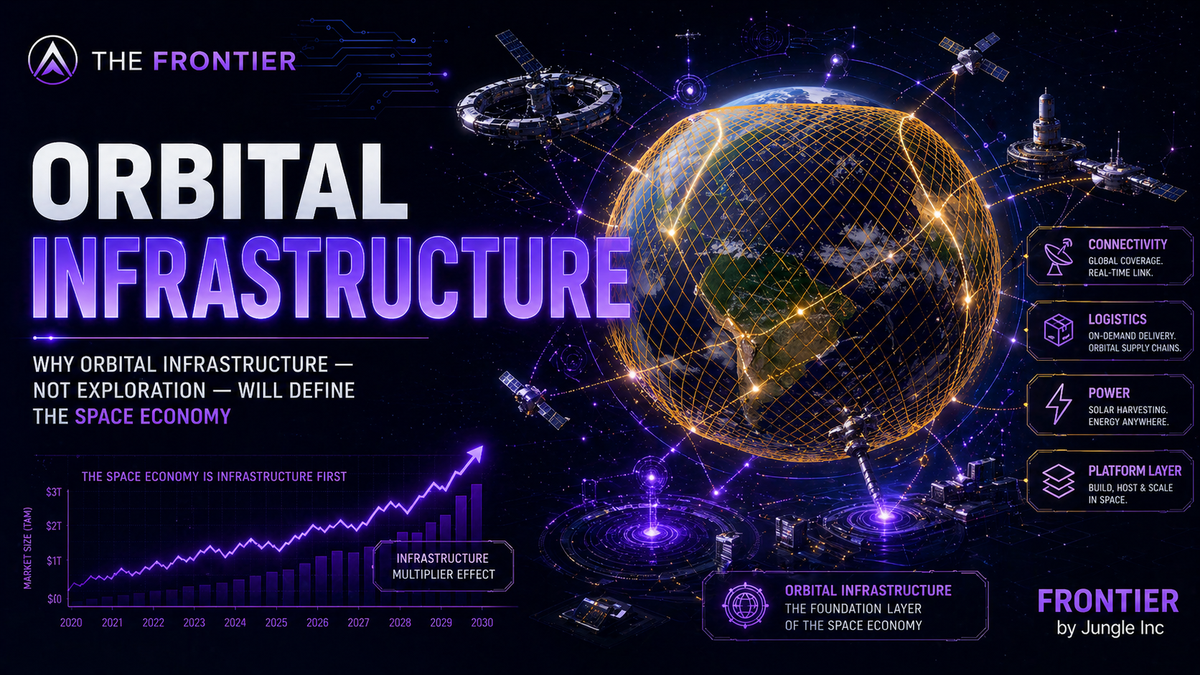
Why Orbital Infrastructure — Not Exploration — Will Define the Space Economy
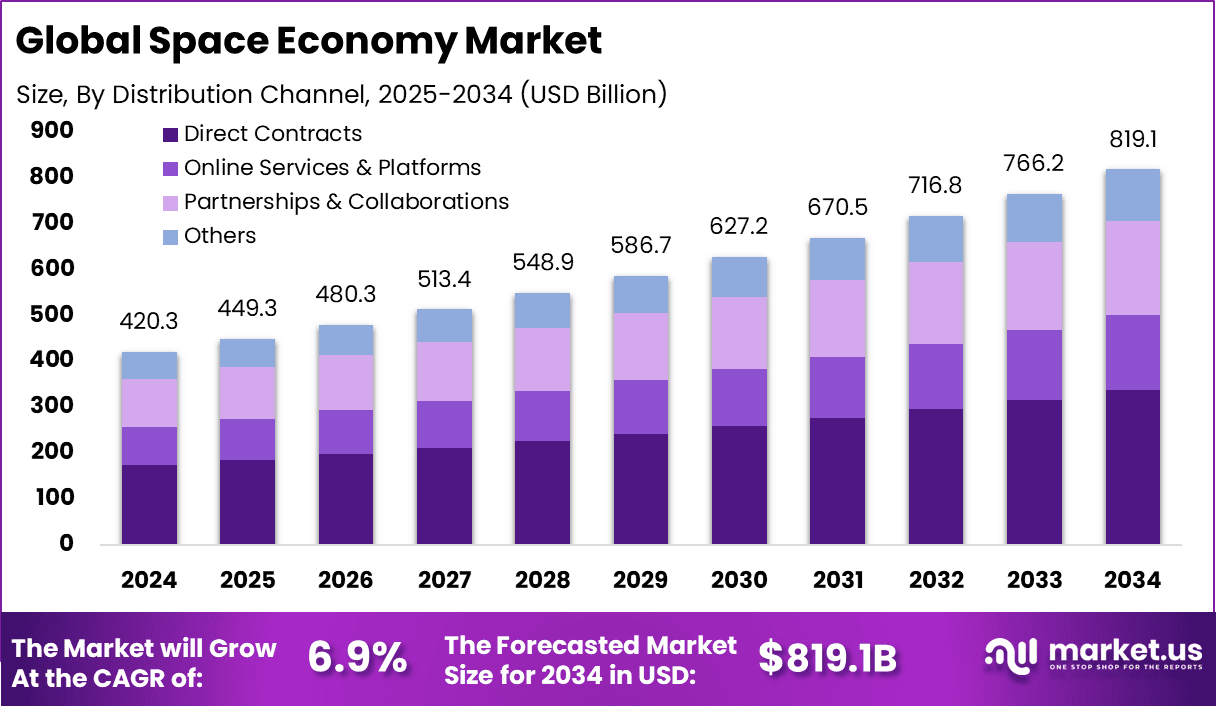
The space economy is shifting from government-led exploration to commercial infrastructure. Decades of prestige projects and scientific missions are giving way to scalable, revenue-generating orbital systems that integrate with Earth industries.
Orbital communications and connectivity infrastructure is poised to become the first trillion-dollar off-planet industry. It already delivers real customers, recurring revenue, global demand, scalable deployment, and strong government support, advantages no other sector matches yet.
Manufacturing, energy, compute, and mining all hinge on future breakthroughs. Communications is operational today. For investors, this means the biggest near-term opportunity lies in solving immediate Earth problems from orbit, not chasing distant futuristic visions.
The Shift Investors Are Missing
Traditional views of space, rockets, astronauts, and Mars missions, feel outdated. Today's space economy functions as critical infrastructure layered above Earth.
This transition is powered by three key forces:
- Industrialized Launch Reusable rockets have slashed costs and increased cadence, turning space access from rare and expensive to routine and predictable. This foundational capability unlocks scaling across the board.
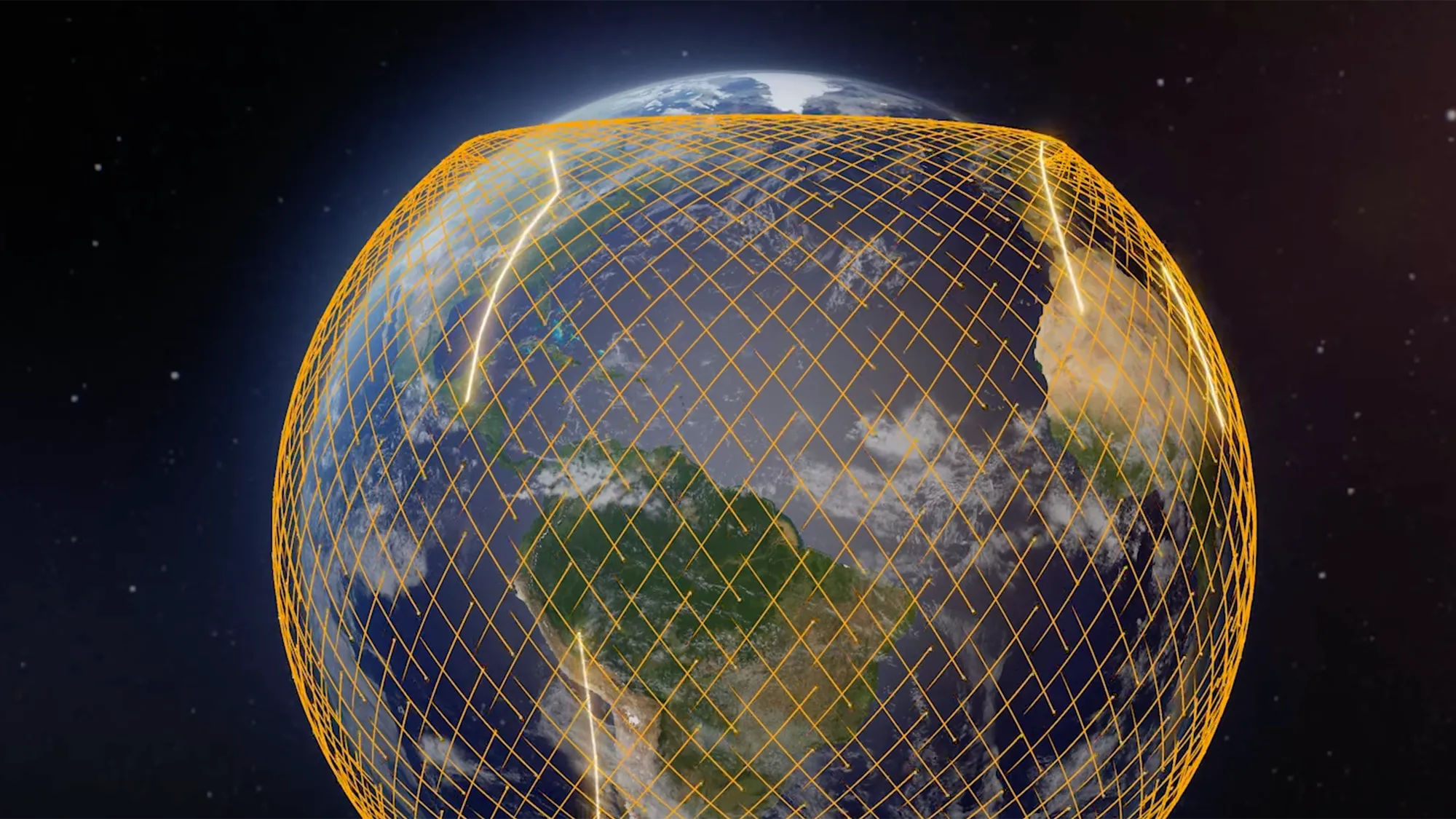
- Existing Earth Demand The most successful space companies address terrestrial needs from orbit. Connectivity stands out: remote broadband, resilient military links, continuous aviation and maritime coverage, and enterprise redundancy. This market exists and is growing rapidly.
- Dual Capital Flows Private investors chase scalable returns while governments fund resilience and security. This synergy creates powerful momentum.
Why Orbital Communications Leads
Unlike other sectors, orbital communications operates like a mature industry focused on execution rather than invention. Major players include:
- Amazon (Project Kuiper)
- AST SpaceMobile (direct-to-device)
- Eutelsat (OneWeb and sovereign solutions)
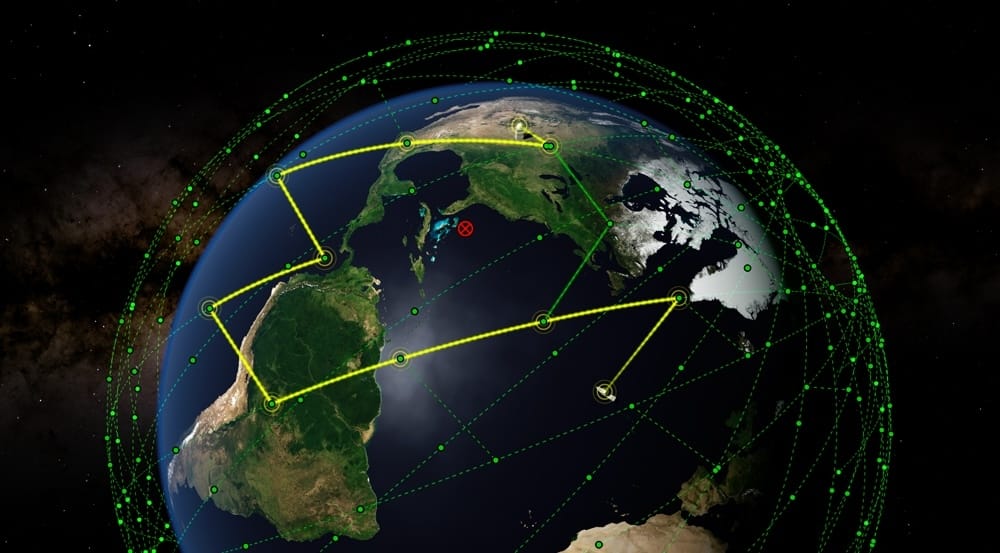
Together, they are constructing a global space-based internet layer.
What Sets It Apart:
- Immediate Solutions: Universal need with no reliance on speculative future demand.
- Recurring Revenue: Subscription-based models akin to telecom and cloud services.
- Global Scalability: Network effects amplify value with each new user and region.
- Strategic Backing: Governments serve as anchor customers, ensuring stability.
The Full Stack Opportunity
The trillion-dollar prize extends beyond satellites to the complete ecosystem:
- Constellations and satellites
- User terminals and ground equipment
- Spectrum management and regulation
- Network software and operations
- Enterprise/government integration
This mirrors cloud computing’s rise: success came from the full ecosystem, not just hardware.
Other Promising Sectors (And Why They Lag)
- Defense & Security: Accelerating due to geopolitics (missile tracking, secure comms, domain awareness). Strong but tied to budgets and policy.
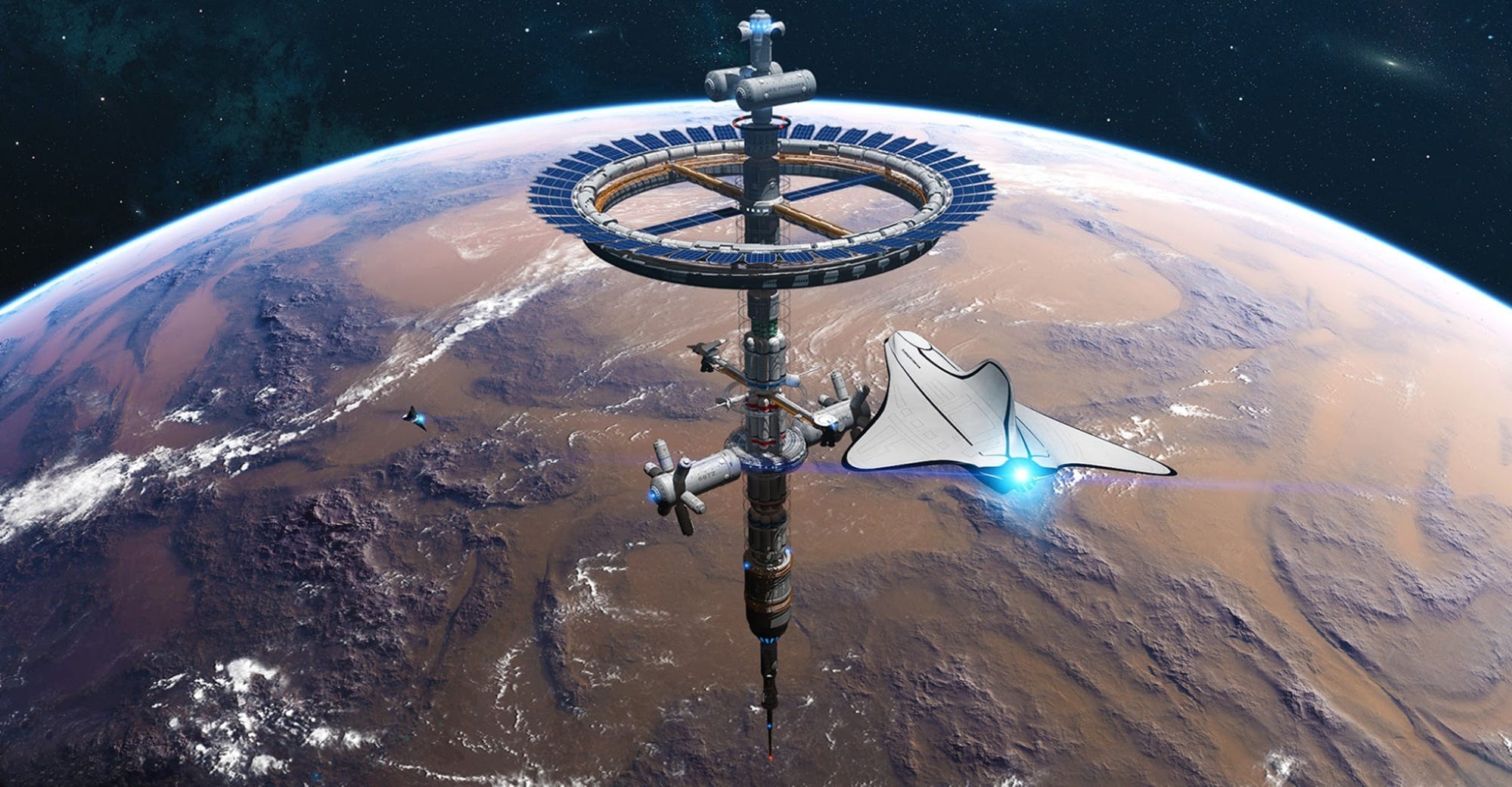
- Space Logistics: Refueling, servicing, and debris management (e.g., Northrop Grumman, Astroscale). Essential “toll roads” but dependent on broader orbital traffic.
- Earth Observation: Shifting to AI-driven analytics (Planet Labs, Maxar). Value accrues downstream.
- Space Manufacturing, Compute & Energy: High potential but limited by physics, engineering, and economics in the near term.
What Determines the Winners
Four bottlenecks will shape outcomes:
- Launch cadence and reliability
- Seamless ground integration with existing systems
- Orbital sustainability (servicing, debris removal)
- Advanced systems engineering for complex sectors
Investment Framework
Prioritize Infrastructure: Focus on connectivity networks, launch/logistics, defense systems, and geospatial platforms—these are funded and scaling now.
Treat Frontiers as Optionality: View orbital compute, energy, and mining as high-upside, long-term bets rather than core positions.
Own the Toll Roads: Durable value flows to enablers that capture recurring usage between supply and demand.
Final Perspective
The first trillion-dollar off-planet industry won’t resemble sci-fi exploration. It will feel like telecom, infrastructure, and defense, extended into orbit. Exploration inspires, but infrastructure attracts capital. And capital builds the future.