
The Most Powerful Company in Tech You've Never Analyzed
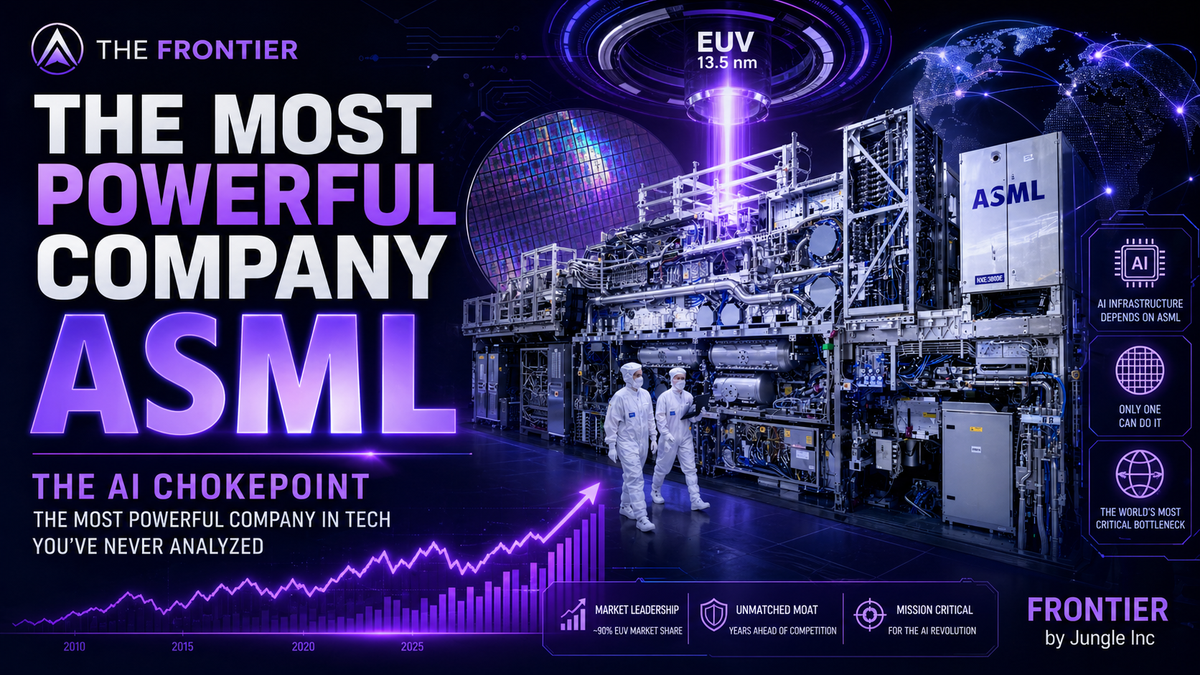
ASML is a Dutch company most investors have never seriously analyzed. It is also the single greatest chokepoint in the global AI race. That oversight is costing people real money.
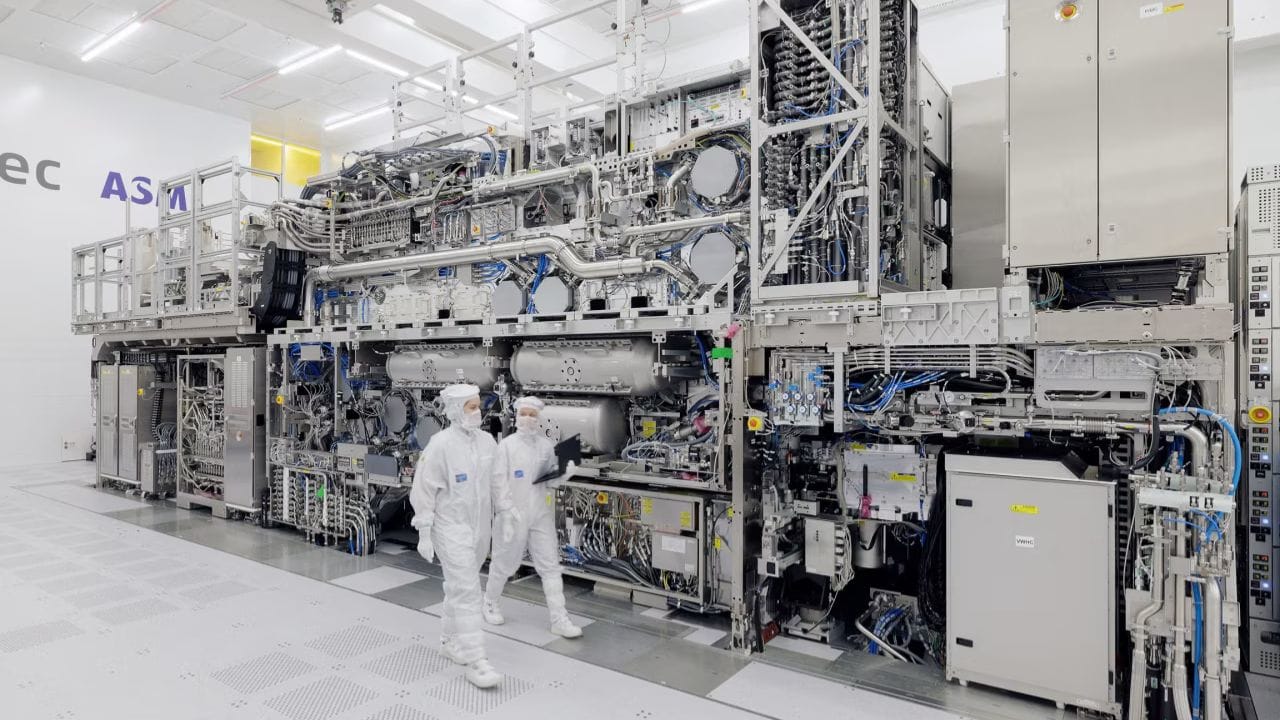
There is a small city in the southern Netherlands called Veldhoven. Population: around 45,000 people. Mostly quiet. Not the sort of place that shows up on geopolitical maps or investment conference agendas. And yet, in a complex of buildings on the edge of that city, a company called ASML is quietly determining the pace at which artificial intelligence can advance.
Not influencing it. Not supporting it. Determining it.
Every major AI chip in the world, the processors training the models that have captured the imagination of every boardroom and every government, is manufactured using equipment that only one company on earth knows how to build. That company is ASML.
The Problem With Printing on Silicon
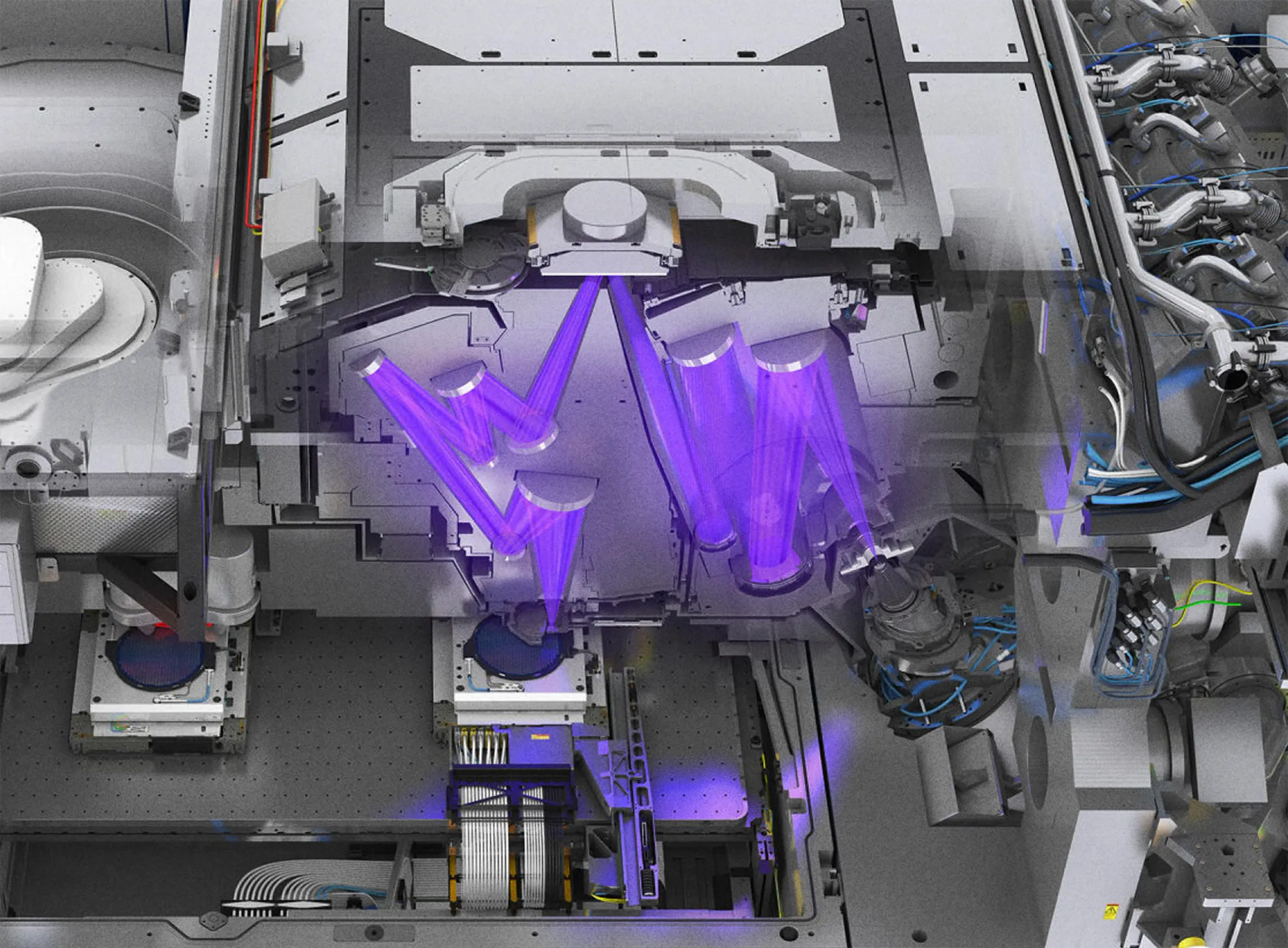
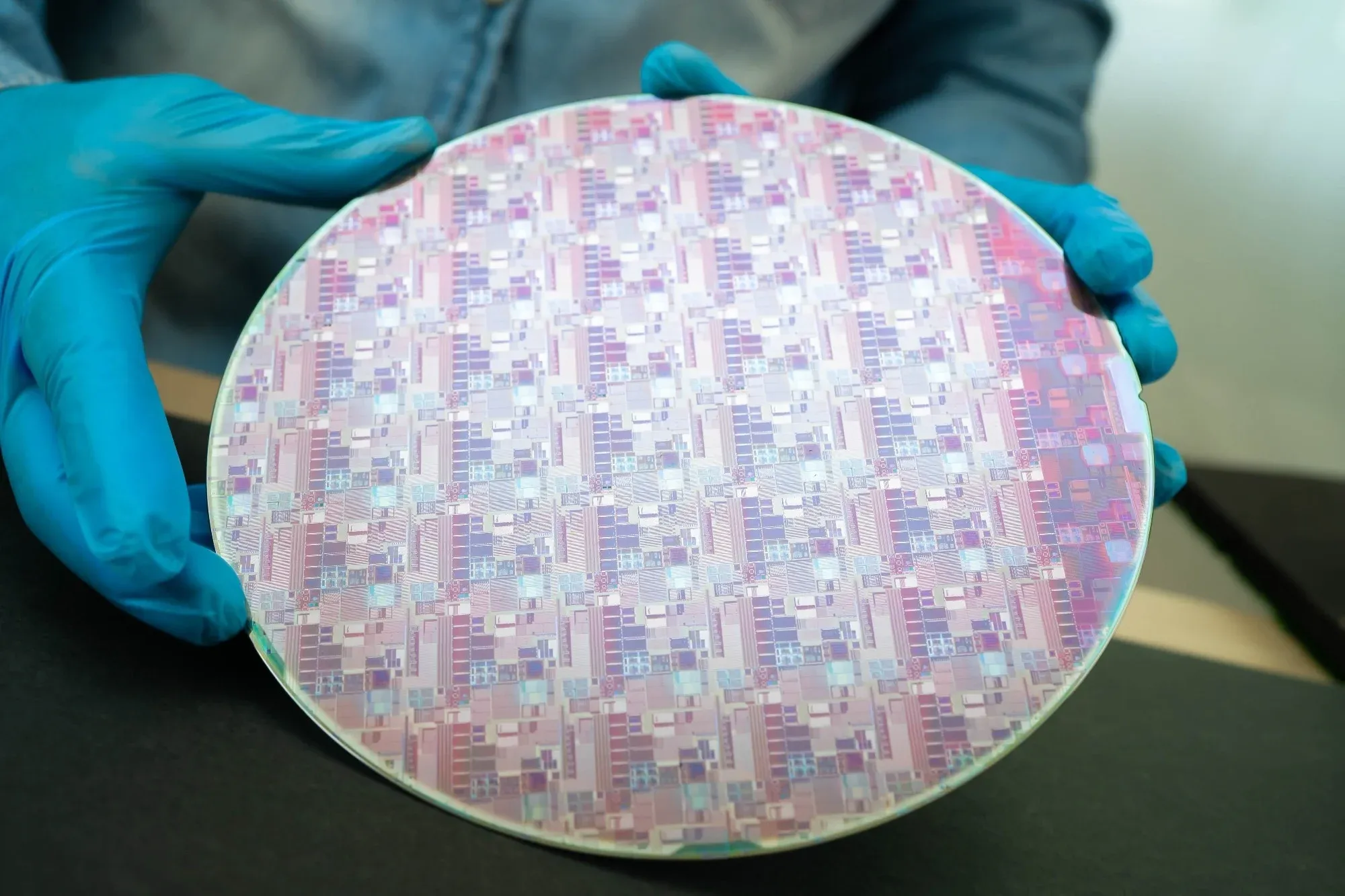
Semiconductor manufacturers need to etch microscopic circuit patterns onto silicon wafers to create chips. The shorter the wavelength of light, the finer the detail. ASML's machines use 13.5 nm light, Extreme Ultraviolet (EUV), roughly fourteen times shorter than previous generations. A single strand of human hair is about 80,000 nanometers wide.
This light is absorbed by virtually everything, so the system operates in a near-perfect vacuum using ultra-precise mirrors instead of lenses.
An Engineering Marvel Unlike Anything Else On Earth
ASML's EUV machines generate 13.5 nm light by firing a high-powered laser at molten tin droplets traveling at 70 meters per second, 50,000 times per second, creating plasma.
The mirrors, made by Carl Zeiss, have surface smoothness measured in tens of picometers. If enlarged to the size of Earth, the largest imperfection would be no wider than a human hair. High-NA mirrors for the next generation are even more extreme.
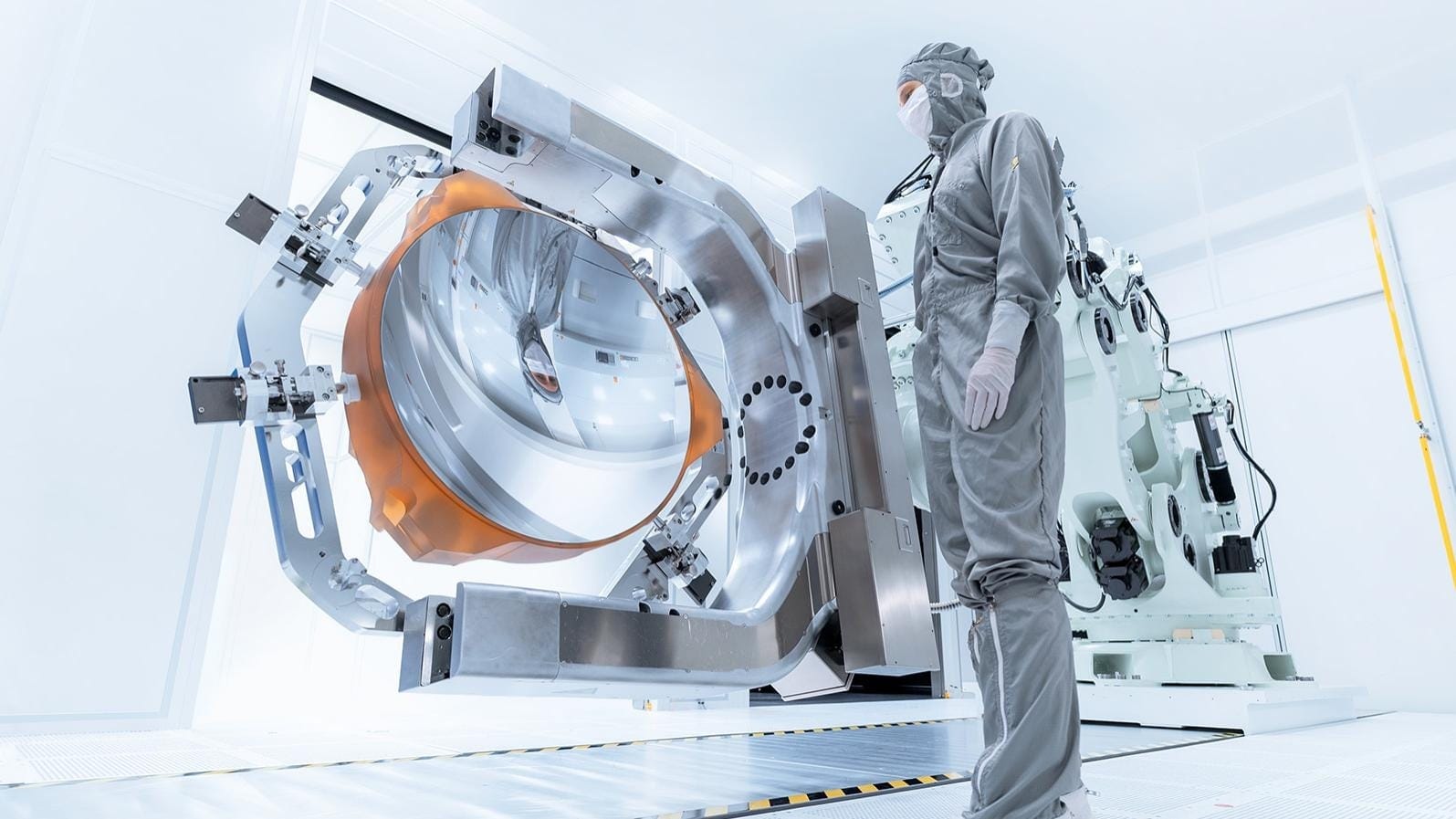
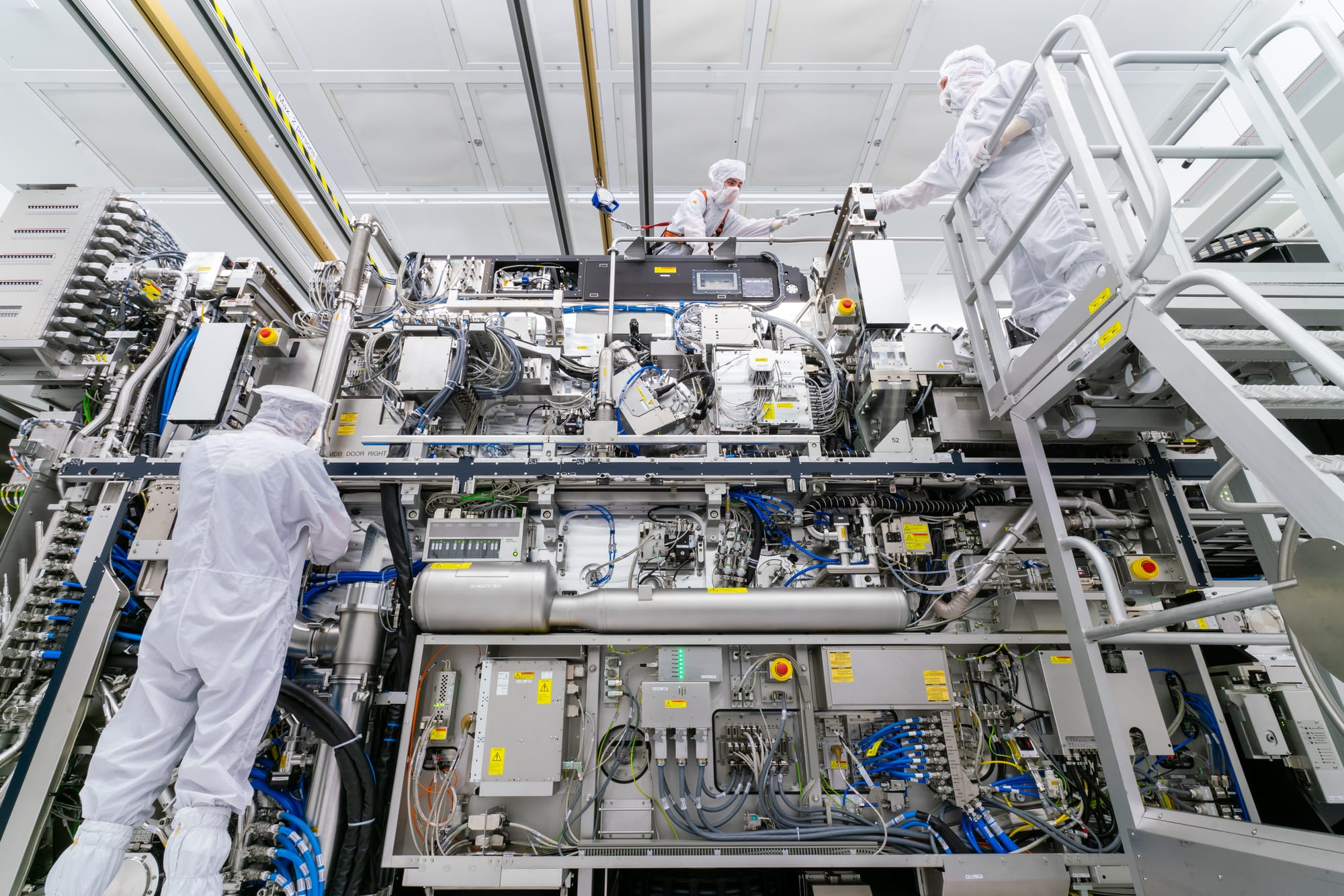
A single machine weighs as much as a city bus, ships in three cargo planes plus forty containers, costs $200–400 million, and ASML produces only dozens per year.
Why Nobody Else Can Build One
ASML's 30+ year development, billions in annual R&D (4.7 billion euros in 2025), ownership stake in Zeiss's optics division, acquisition of Cymer, and coordination of 5,000+ specialized suppliers create an unmatched moat of institutional knowledge and infrastructure.
The China Question, Answered Honestly
China aims for domestic lithography by 2030 via national effort, but faces enormous knowledge and ecosystem gaps. Even a working prototype would take years more to reach reliable commercial production scale.
The Direct Line to AI
Leading-edge AI chips (NVIDIA GPUs, hyperscaler custom silicon) from TSMC and others rely on ASML EUV tools. AI compute growth is physically constrained by ASML's limited output and multi-year backlog.
The Business Behind the Machine
In 2025, 48 EUV systems generated ~12 billion euros. Service and upgrade revenue (installed base management) reached 8.2 billion euros, up 26%. ASML benefits from new sales, more fabs, and productivity gains on existing machines.
The Geopolitical Dimension
U.S. and Dutch export restrictions on advanced systems to China position ASML as a strategic asset in global security and AI competition.
Why This Is the Most Interesting Investment in AI Infrastructure
ASML has no competitors in EUV, a years-long backlog, recurring service revenue, a 30-year technological lead, and sits at the irreplaceable foundation of the AI supply chain.
The most important company in AI is in a small Dutch city most people have never heard of, building machines that push the boundaries of what is physically possible.
That is worth paying attention to.
IMPORTANT DISCLOSURES
This article is provided for informational purposes only and does not constitute investment advice... All figures cited are sourced from publicly available company disclosures, news reporting, and third-party research as of the publication date.