
Why SpaceX Stands Alone in Pursuing Full-Stack AI Dominance
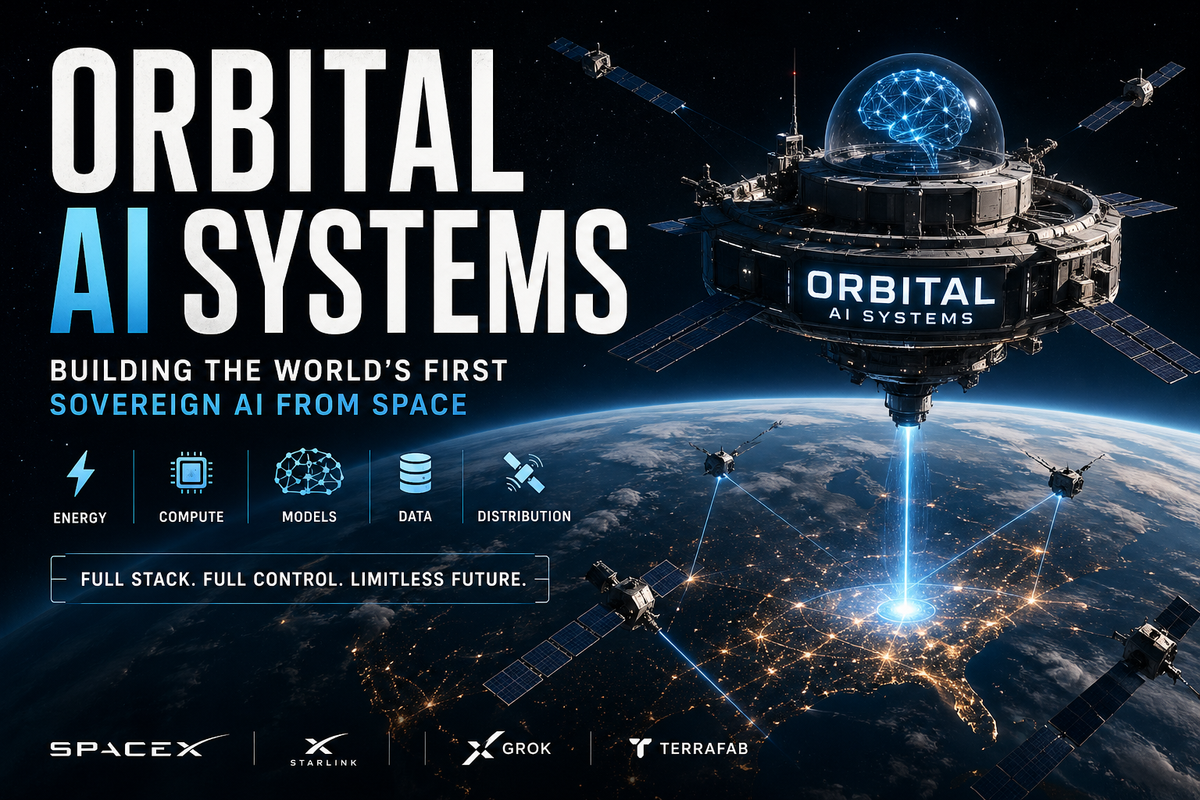
In the race to scale artificial intelligence, control over the full technology stack has become the ultimate competitive moat. While NVIDIA’s Jensen Huang popularized “Sovereign AI” as a national imperative, nations building their own infrastructure, data, and models to encode culture, security, and economic independence—the same logic now applies at the corporate level.
Few companies grasp this fully. Most AI leaders remain fragmented, dependent on third-party chips, power grids, and distribution networks. One entity, however, is methodically assembling every layer: SpaceX.
Following its February 2026 acquisition of xAI (and X, the real-time global data platform), SpaceX has created the world’s most vertically integrated AI infrastructure powerhouse. Valued at approximately $1.25 trillion post-merger, the combined organization controls energy, compute, models, data, and global distribution in a way no competitor can match.
This is not incremental advantage. It is structural dominance.
What Sovereign AI Actually Means
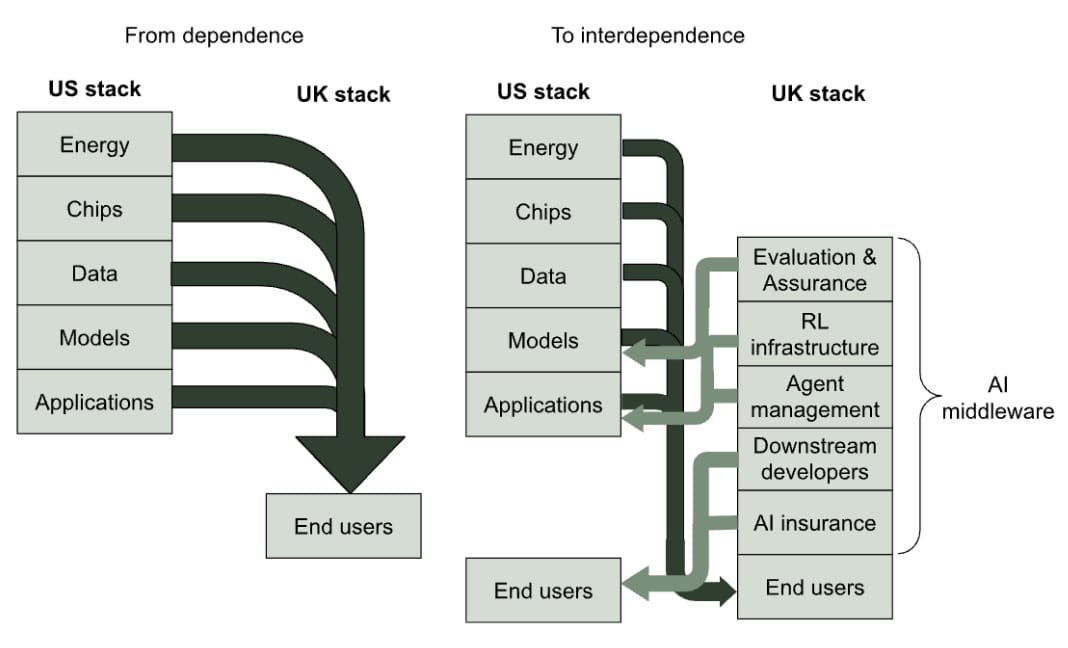
Sovereign AI is full-stack ownership of the AI pipeline. It eliminates reliance on external vendors for any critical component:
- Energy — Reliable, scalable power generation and storage
- Compute — Chips, fabrication, and supercomputing clusters
- Models + Data — Proprietary AI systems trained on unique, real-time datasets
- Distribution — Direct, unthrottled delivery to end users worldwide
In practice, it means building your own destiny rather than renting someone else’s infrastructure. As the notes from the transcript distill it: “Sovereign AI means you don’t have to rely on third-party vendors to put together all the pieces required to deliver AI.”
Why Sovereign AI Matters Now
The AI industry is hitting physical limits. Hyperscalers face multi-year delays for power infrastructure, chronic GPU shortages, memory bottlenecks, and data-center capacity constraints. Even leaders like OpenAI and Anthropic cannot scale at the pace of demand.
Sovereignty removes these choke points. It delivers:
- Supply-chain resilience against geopolitical or vendor risk
- Unconstrained scaling as inference and training demand explode
- Geopolitical independence in an era when AI is becoming national infrastructure
The strategic edge is clear: companies that control their own destiny can scale with demand, capture maximum margins across the value chain, and deploy AI globally without permission from landlords, chipmakers, or utilities.
The Sovereign AI Stack: Three Foundational Layers
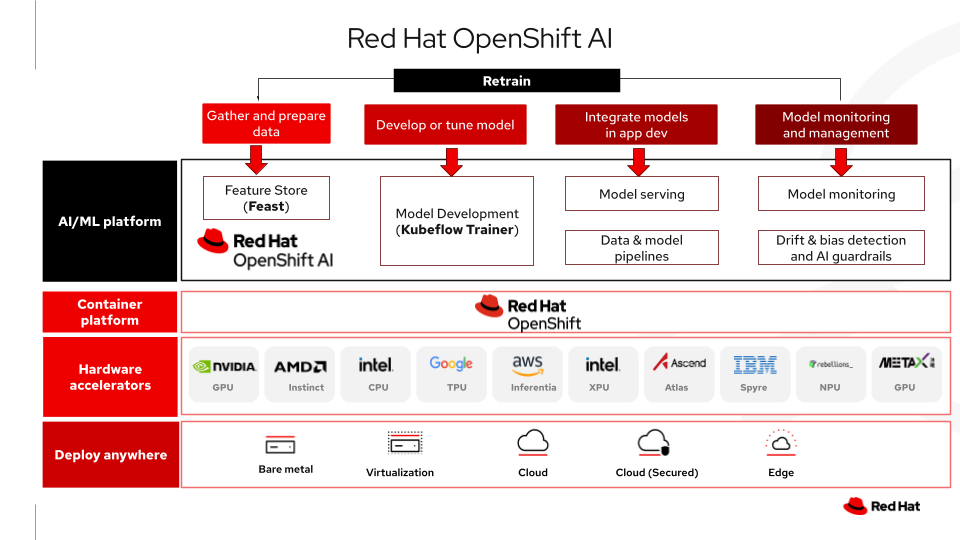
The transcript frames the stack elegantly in three pillars—yet the full picture reveals even deeper integration:
- Energy — Powering the insatiable appetite of AI. xAI’s Colossus supercomputer in Memphis already deploys hundreds of Tesla Megapacks for grid stability and rapid scaling.
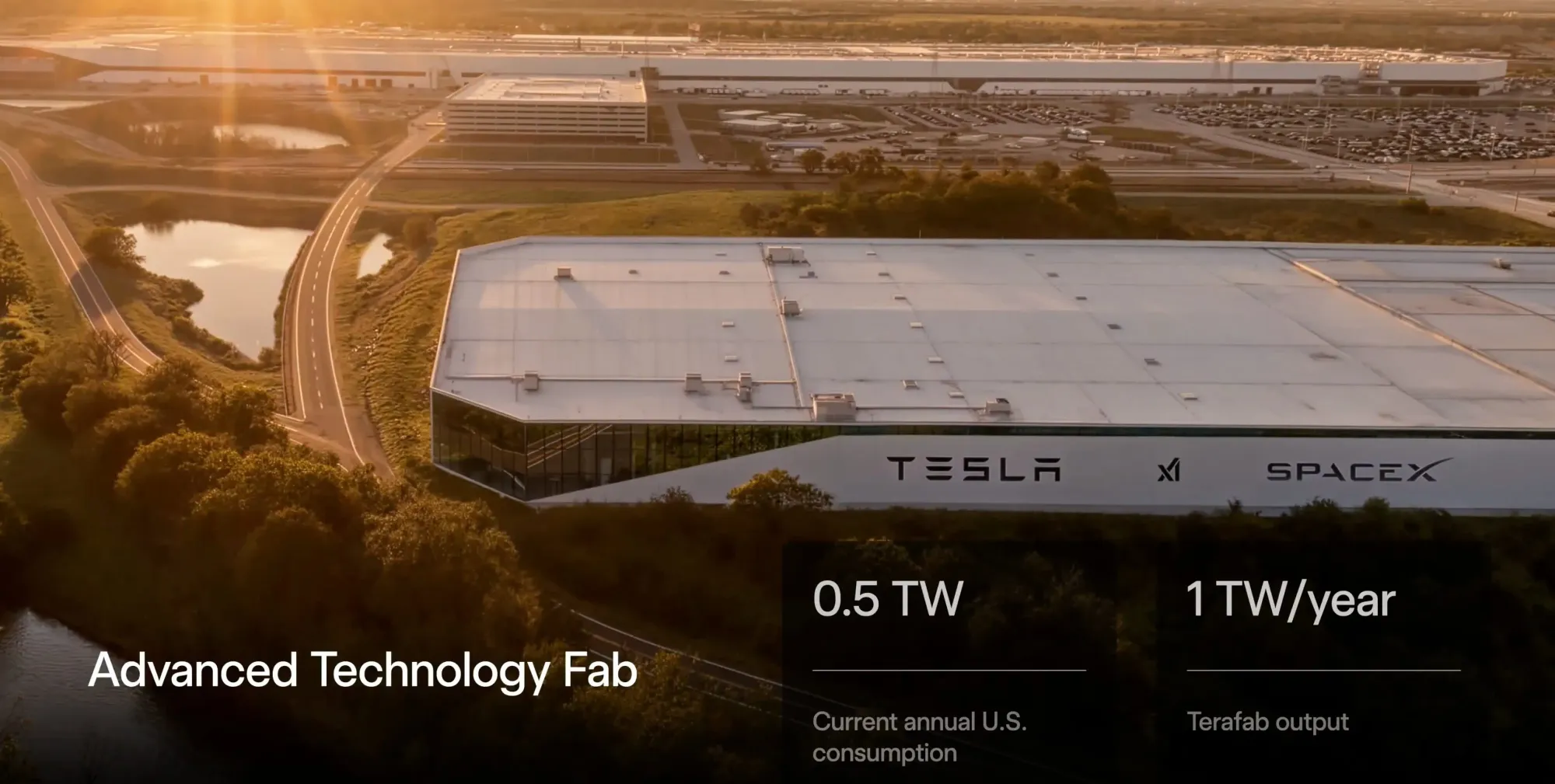
- Compute — The hardware backbone. Beyond NVIDIA GPUs, the new Terafab joint venture (Tesla, SpaceX, xAI) in Austin, Texas, represents a $25 billion leap into full semiconductor fabrication—logic, memory, and advanced packaging under one roof. This is not design-only; it is manufacturing sovereignty.
- Models + Data + Distribution — Grok, trained on X’s unfiltered, real-time global firehose, delivers live intelligence few others can match. Starlink provides the last-mile (and beyond) distribution layer—no ISP dependencies, no regulatory throttling, true global reach.
Why SpaceX Is Uniquely Positioned to Lead
No other player is attempting this level of vertical integration.
- Energy ecosystem via Tesla synergies (Megapacks already powering Colossus)
- Custom silicon through Terafab—moving from design to fabrication at unprecedented scale
- Proprietary models (Grok) fueled by the world’s largest real-time dataset (X)
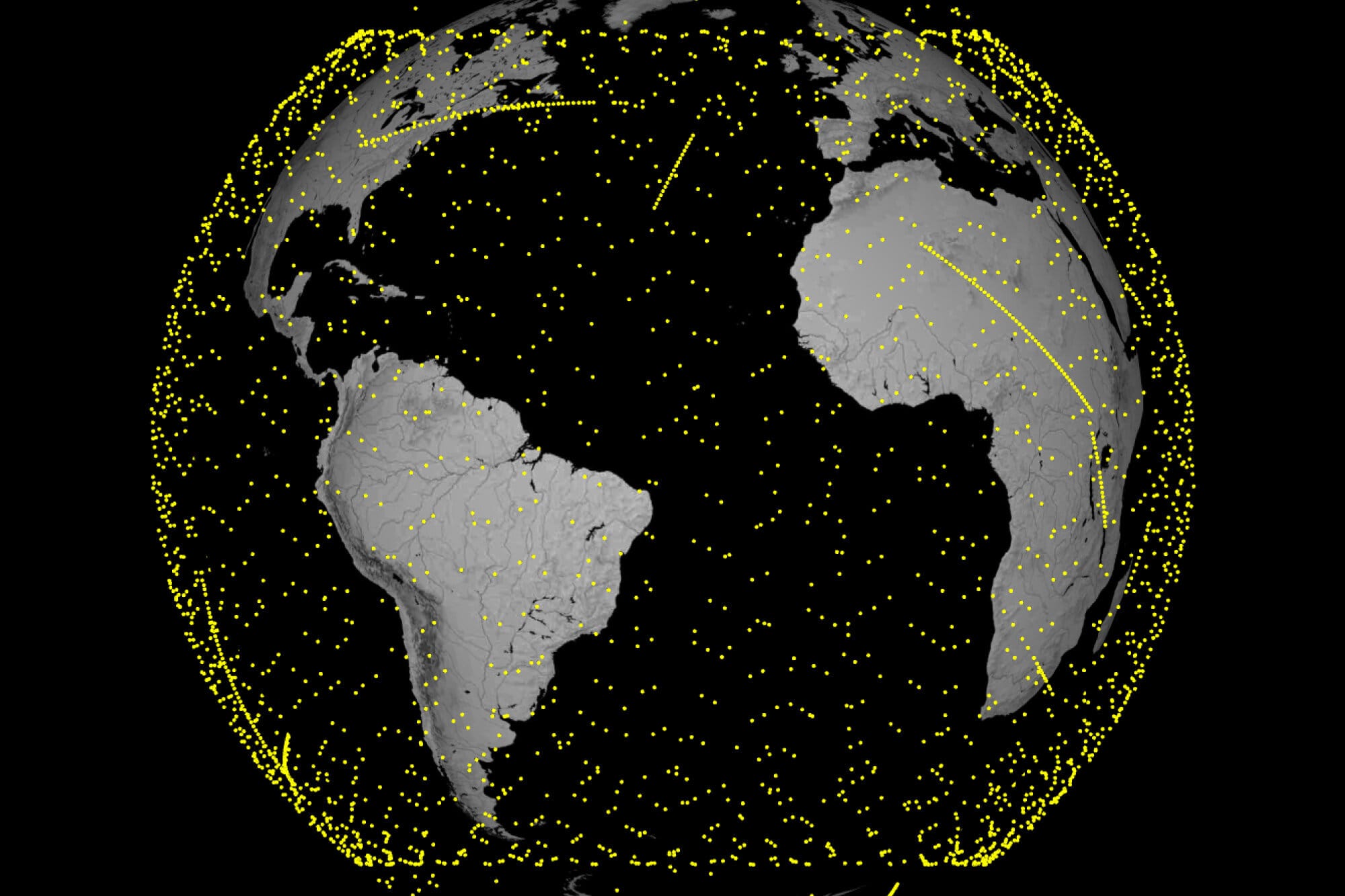
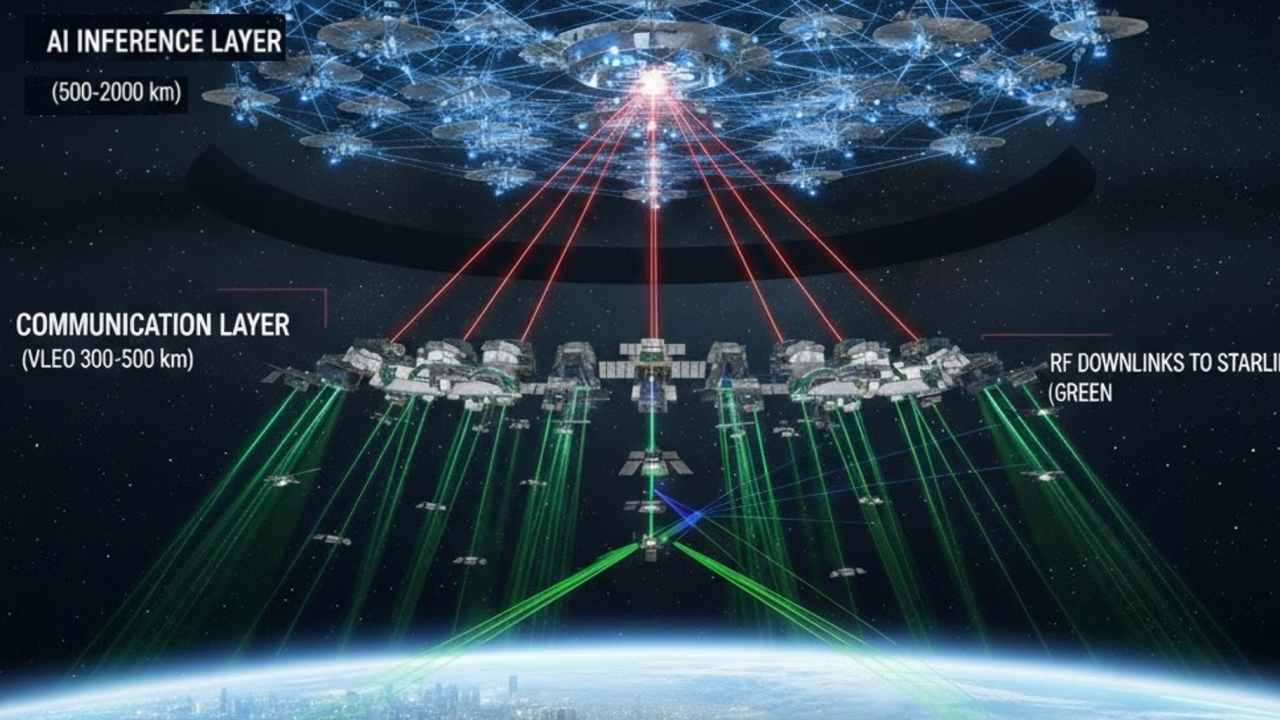
- Global distribution via Starlink, now evolving toward orbital data centers—literally putting compute in space for efficiency, cooling, and latency advantages in select workloads.
This is Apple’s hardware-software integration on a planetary scale: atoms and bits, Earth and orbit, energy and intelligence.
Competitors fall short because they lack at least one (often multiple) layers:
- OpenAI/Anthropic — Elite models, but zero chip fabrication and heavy NVIDIA reliance
- Meta — Strong models, still tethered to external compute and power
- Amazon/Microsoft — Cloud scale, yet weak native models and incomplete chip control
- Google — Closest rival with TPUs, data, and models—but still depends on foundries (TSMC) and ISPs for last-mile delivery
Even Google is not sovereign.
The Apple Analogy on Steroids—and the Geopolitical Upside
SpaceX’s integration mirrors Apple’s margin magic but extends across energy, semiconductors, AI, robotics (via Tesla/Optimus synergies), and global connectivity. The result? Maximum value capture and the ability to deploy AI at national-infrastructure scale.
Geopolitically, this positions SpaceX as more than a tech company—it becomes critical infrastructure for sovereign nations seeking independent AI capability. Orbital data centers add a layer of optionality: solar-powered, radiatively cooled compute clusters immune to terrestrial power constraints.
The Core Thesis: SpaceX Is No Longer Just a Space Company
It is the only fully integrated AI infrastructure company capable of operating at planetary scale without external dependencies.
- Controls energy ✔️
- Controls compute (design + fab) ✔️
- Controls models + real-time data ✔️
- Controls global distribution (and soon orbital) ✔️
Bottlenecks eliminated. Margins maximized. Scale unconstrained.
As AI shifts from experimental to foundational economic infrastructure, the winners will be those who own the entire stack. SpaceX—now encompassing xAI, X, Starlink, and Terafab synergies: is the only player building exactly that.
The convergence of AI, space, energy, and robotics under one roof is not hype. It is the most ambitious vertical integration in technology history and it is happening now.
Investment implication (ARK-style): The entity that masters Sovereign AI will not merely participate in the AI boom; it will define its physical and economic boundaries. SpaceX’s recent moves suggest it is positioning to do precisely that.
This is the real thesis. Not a space company. A sovereign AI infrastructure company: with the rockets to prove it.